Why Are Bed Rails Unsafe for Some Seniors Seeking Safety?

Time:2026-05-31 Author:Oliver
0%

Bed rails are often considered a safety solution for seniors. However, recent studies reveal a concerning truth about their use. According to the National Institute on Aging, bed rails can pose significant risks, particularly for those with mobility issues. Many seniors find themselves trapped or injured when attempting to navigate around them. This raises important questions about why are bed rails dangerous for some seniors.

A report by the U.S. Consumer Product Safety Commission highlighted that nearly 400,000 adults aged 65 and older are treated in emergency rooms each year for injuries related to bed rails. The design of these devices may inadvertently create hazards. For example, seniors may become wedged between the rail and the mattress, leading to potential suffocation or falls. These incidents are often unrecognized risks within caregiving environments.

In light of these statistics, it's crucial to assess the proper use of bed rails. Equipment that is meant to provide safety can paradoxically escalate danger. Caregivers and families must remain vigilant. Exploring alternative solutions, like bed alarms or lower bed heights, is vital. This reflection can lead to safer sleeping arrangements for those dependent on extra support.
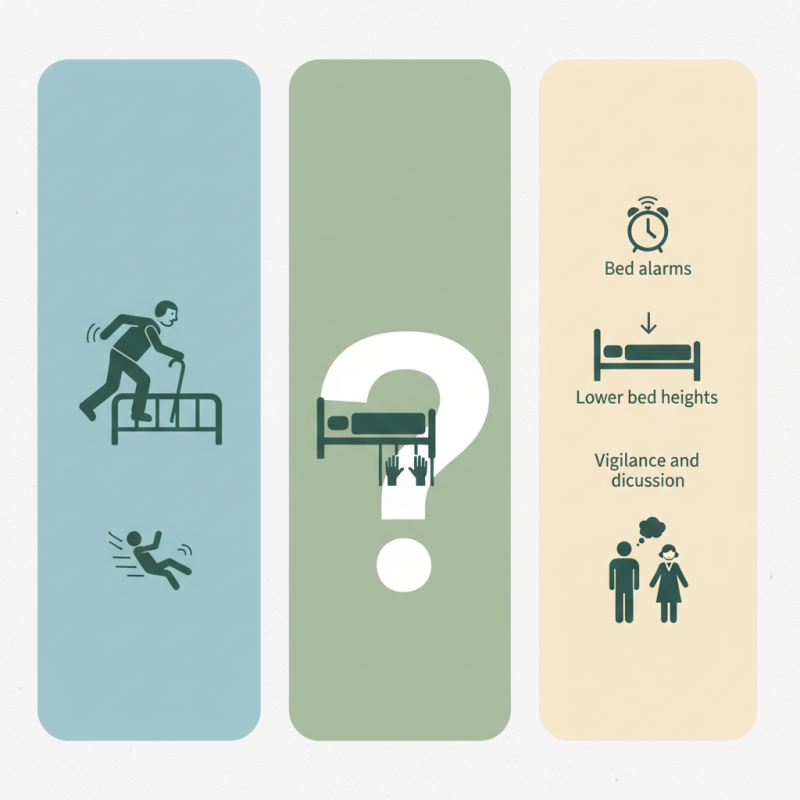
Why Are Bed Rails Unsafe for Some Seniors Seeking Safety?

Understanding the Purpose of Bed Rails for Seniors

Bed rails are often installed in senior care settings to prevent falls and provide a sense of security. They can help seniors feel more stable while getting in and out of bed. However, research indicates that bed rails may not always be safe. A report from the National Institute on Aging suggests that bed rails can cause entrapment or falls, leading to serious injuries.

Many caregivers believe bed rails are essential for safety. Yet, a study published in the Journal of Gerontology highlights that 26% of seniors experienced accidents involving bed rails. Problems arise from improper installation or use. A rail might trap an arm or leg, increasing the risk of injury. Furthermore, some seniors may become confused, leading to unsafe attempts to ascend or descend from the bed.

It's crucial to analyze the specific needs of each elder. Regular assessments by healthcare professionals can ensure proper safety measures. Alternatives like padded bed rails or safety alarms could prove safer. Caregiver training on these alternatives is vital. Emphasizing proactive solutions can reduce risks and enhance living conditions for seniors.

Common Misconceptions About Bed Rail Safety

Bed rails are often seen as a safety measure for seniors. However, many misconceptions exist about their actual effectiveness. One common belief is that bed rails prevent falls. In reality, they can sometimes increase the risk of injury. If a senior attempts to get out of bed, the rail could trap them or cause them to lose balance. This creates a dangerous situation rather than improving safety.

Another misconception is that bed rails provide support when getting in and out of bed. While they might seem helpful, they can lead to accidents. Seniors may rely too much on them or misjudge their height. A slip can result in serious injuries. Furthermore, bed rails may hinder mobility, leading to a lack of independence. Many seniors find it challenging to navigate their surroundings when confined by rails.

The misunderstanding around bed rail safety highlights the need for better information. It’s crucial for families and caregivers to assess each situation individually. Not every senior will have the same needs. An open discussion about safety and alternatives can lead to better outcomes. Awareness of these issues is essential for ensuring a safe living environment.

Risks Associated with Bed Rails in Home Care Settings

Bed rails can appear to enhance safety for seniors. However, they often contribute to unintentional injuries. According to the Journal of Patient Safety, bed rails are linked to over 1,000 injuries annually in the United States. Many times, these injuries result from falls or entrapment.

Entanglement is a significant risk. A report by the Food and Drug Administration (FDA) highlights that between 1985 and 2014, more than half of bed rail-related fatalities in the elderly were due to entrapment. The need for safety measures often leads to using bed rails without considering these dangers. Some families believe they are a foolproof solution, yet evidence suggests otherwise.

Caring for seniors requires thorough assessments. Evaluating a person’s mobility and cognitive abilities is crucial. Bed rails may do more harm than good for certain individuals. Alternatives should be explored. For instance, low beds, padded floor mats, or alarms provide safer options. Each situation is distinct. It is essential to make informed decisions rooted in understanding and empathy.

Alternatives to Bed Rails for Ensuring Senior Safety

Bed rails have been a common solution for preventing falls among seniors. However, studies indicate that they can create more hazards than benefits. In fact, research shows that up to 27% of seniors using bed rails may experience increased risk of injury. The rails can lead to entrapment, which disrupts their safety rather than enhancing it.

In light of these risks, there are several alternatives to consider. One effective option is the use of bed alarms. These devices alert caregivers when a senior attempts to get out of bed, promoting timely assistance. A study published by the Journal of Geriatric Nursing reported a 50% reduction in fall rates with bed alarms in place. Additionally, using wedge pillows to elevate the upper body may help seniors get in and out of bed more safely.

Another alternative is a low-profile bed design. These beds minimize the distance to the floor, reducing impact risk during falls. Cooperative strategies, like establishing a nighttime routine, can also safeguard seniors. When caregivers engage seniors in a tailored sleep preparation, they can minimize confusion and ensure they stay secure throughout the night. Each of these options requires careful consideration and may invite reevaluation of traditional safety methods.

Why Are Bed Rails Unsafe for Some Seniors Seeking Safety? - Alternatives to Bed Rails for Ensuring Senior Safety

Issue Description Alternatives Benefits
Fall Risk Elderly individuals may fall while attempting to get in or out of bed. Bed Stick, Transfer Bench Provides stability and easier transition into and out of bed.
Entanglement Seniors can become trapped between the rail and the mattress. Low Bed Frame, Foam Bed Bumpers Reduces the risk of entrapment and injuries.
Inadequate Support Bed rails may not provide sufficient support for mobility. Using a Grab Bar, Bed Lift Enhances mobility without the risks associated with bed rails.
Psychological Impact The presence of bed rails may create feelings of confinement or fear. Encouraging Freedom of Movement Promotes independence and a sense of safety.

Best Practices for Using Bed Rails Safely in Elder Care

Bed rails may seem like a logical solution for preventing falls in seniors, yet they can pose significant hazards. According to the Journal of the American Geriatrics Society, bed rail-related injuries are becoming increasingly common in elder care settings. In fact, studies have shown that nearly 17,000 emergency room visits each year are linked to bed rail incidents among older adults.

To ensure safety while using bed rails, it is essential to adopt best practices. Regular assessment of the individual's needs is crucial. The bed rail should be adjustable and designed to fit the bed properly. Ensure the mattress is not too high, which might create a gap where seniors could become trapped. It is advisable to have regular checks on the rail's stability too, as wear and tear could increase risk factors.

Tips:

  • Use bed rails that comply with safety standards.
  • Ensure seniors can easily get in and out of bed without resistance.
  • Always keep the area free from clutter to minimize trip hazards.
  • Training caregivers in proper bed rail usage can foster a safer environment, too.

Remember, each individual has unique needs, and continuous evaluation is necessary to adapt to those changes safely.

FAQS

: Do bed rails effectively prevent falls for seniors?

: No, bed rails can sometimes increase the risk of injuries during falls.

Can bed rails help seniors get in and out of bed safely?

They might seem helpful but can lead to accidents and serious injuries instead.

What is a significant risk associated with bed rails?

Entanglement is a major risk, which can lead to serious harm or fatalities.

How many injuries are linked to bed rails annually in the U.S.?

Bed rails are linked to over 1,000 injuries each year.

What should families consider before using bed rails?

It's crucial to assess each senior's mobility and cognitive abilities individually.

Are there safer alternatives to bed rails?

Yes, options like bed alarms and low-profile beds can enhance safety.

How effective are bed alarms for seniors?

Bed alarms can reduce fall rates by about 50% when used properly.

Can traditional safety methods be reevaluated?

Yes, exploring alternatives encourages better decisions for each unique situation.

What role does caregiver involvement play in senior safety?

Engaging seniors in tailored routines can minimize confusion and enhance security.

Could relying on bed rails lead to a lack of independence?

Yes, many seniors may find mobility hindered when confined by bed rails.

Conclusion

The article "Why Are Bed Rails Unsafe for Some Seniors Seeking Safety?" explores the complexities surrounding the use of bed rails in elder care. While bed rails are often intended to provide support and prevent falls, misconceptions about their safety can lead to risky situations. The risks associated with bed rails in home care settings include the potential for entrapment and injury, particularly for seniors with limited mobility.

Alternatives to bed rails, such as bed alarms and assisted living arrangements, offer safer options for ensuring seniors' safety. Additionally, when bed rails are employed, it is vital to follow best practices to minimize hazards. Understanding why bed rails are dangerous for some seniors is crucial for caregivers and families to make informed decisions about their loved ones' care and safety.

Oliver

Oliver

Oliver is a seasoned marketing professional with a wealth of expertise in driving brand awareness and engagement. With a deep understanding of our company's product offerings, he consistently delivers high-quality content that enriches our professional blog. His insights not only shed light on......