How to Choose the Right Walker for Seniors Easily?

Time:2026-07-14 Author:Aria
0%

Choosing the right walker for seniors can significantly enhance their mobility and independence. According to Dr. Emily Harrison, a renowned geriatric specialist, “Finding the right walker is crucial for safety and confidence.” Her insights shed light on the nuances of selecting the best mobility aid.

Many seniors face challenges when it comes to maintaining balance. Walkers can offer necessary support, but the selection process can be overwhelming. Factors like height, weight capacity, and type of terrain are essential. It is easy to overlook critical details in this decision. An inappropriate walker can lead to discomfort or even accidents.

Moreover, personal preferences play a vital role. Some seniors may prefer a lightweight walker, while others require more robust support. It is important to involve them in this choice. Ultimately, how to choose the right walker for seniors involves careful consideration of their needs and lifestyle. The right choice can encourage more active living and greater social engagement.
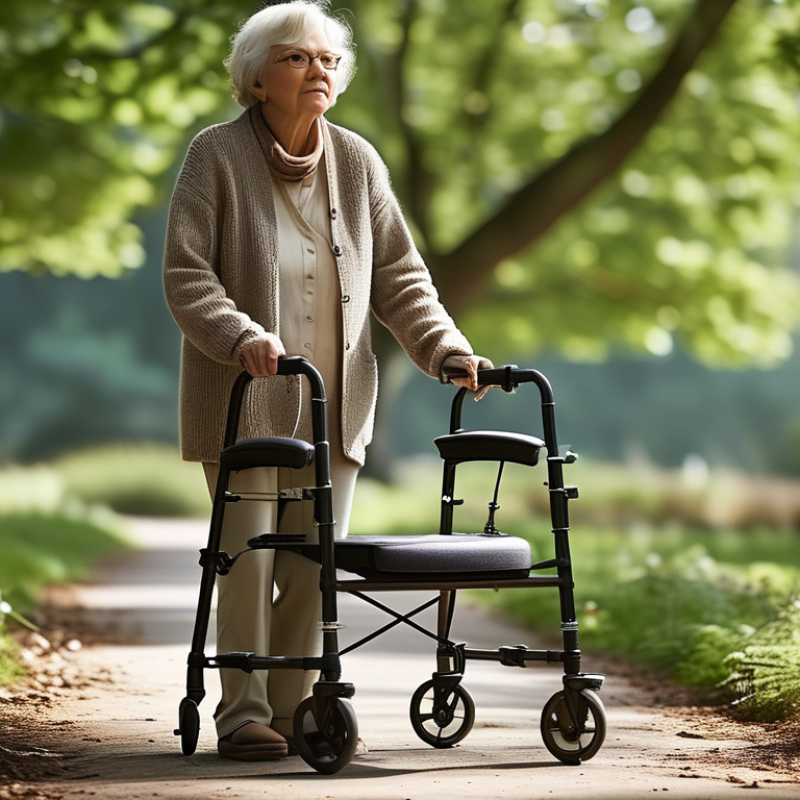
How to Choose the Right Walker for Seniors Easily?

Understanding Different Types of Walkers: Standard, Wheeled, and Rollators

Choosing the right walker for seniors can be daunting. Understanding the different types helps simplify the process. Each type serves unique needs and preferences.

Standard walkers provide solid support. They are usually lightweight and easy to lift. These walkers require users to lift them slightly with each step. This can be challenging for some seniors. Proper height adjustment is vital to ensure comfort and safety.

Wheeled walkers are a popular choice. They have two or four wheels, making movement easier. Seniors can push them forward without lifting. This feature is beneficial for those with limited strength. However, seniors need to manage their speed to avoid falls.

Rollators offer the best of both worlds. They come equipped with wheels and brakes. They often include seats for resting. While they provide excellent mobility, they may take time to get used to. A slight learning curve exists, but they can greatly enhance independence.

Key Features to Consider When Selecting a Walker for Seniors

Choosing the right walker for seniors is crucial for their safety and mobility. When selecting a walker, weight capacity is a key feature to consider. Most walkers support up to 250 pounds. Some models accommodate more, which is vital for heavier individuals. A study found that 35% of seniors prefer equipment that fits their weight needs.

Stability should not be overlooked. Consider the walker’s base width. A wider base provides better balance. Walkers with four legs generally offer more stability than those with two or three support points. A report by the National Institute on Aging shows that unsteady walkers lead to a 20% increase in falls among seniors.

Another important feature is adjustability. Look for walkers with adjustable heights. This ensures a proper fit, reducing strain on the back and arms. Many seniors struggle to find a comfortable height that accommodates their stature. Research indicates that improper height can cause discomfort and discourage usage.

Lastly, consider portability. Folding walkers make transportation easier. Many seniors live in multi-level homes and might need to carry their walker up and down stairs. A walker should aid mobility, not hinder it. Selecting the right features can empower seniors to maintain their independence.

Evaluating Weight Capacity and Stability Standards for Senior Walkers

Choosing the right walker for seniors involves careful consideration of weight capacity and stability standards. Weight capacity is crucial. The walker must support the user’s weight comfortably. Many seniors underestimate their needs, leading to potential safety hazards. A walker that is too lightweight can collapse under pressure, and this can lead to falls or injuries. Always check the manufacturer's specifications before making a choice.

Stability is an essential factor for seniors who may have balance issues. Look for a walker with a wider base, as it offers better support. The height of the walker should also be adjustable. This ensures that the senior can use it comfortably, promoting safer walking practices. Walkers with larger wheels tend to navigate uneven surfaces better. This can make a significant difference in daily activities.

Tips: Test the walker before purchasing. Ensure it feels sturdy and provides adequate support. Make sure to involve the user in the selection process. Their comfort and confidence are vital for effective use. Regularly assess the walker for wear and tear. Maintenance is key to ensuring its reliability over time.

How to Choose the Right Walker for Seniors Easily? - Evaluating Weight Capacity and Stability Standards for Senior Walkers

Walker Type Weight Capacity (lbs) Stability Rating Weight (lbs) Adjustable Height (inches)
Standard Walker 300 Moderate 7 30-36
Two-Wheeled Walker 250 High 8 28-34
Four-Wheeled Walker 400 Very High 10 30-37
Transport Walker 300 Moderate 6 28-34

Assessing Mobility Needs: How to Match a Walker to Individual Requirements

Choosing the right walker for seniors requires careful consideration of their mobility needs. Each individual has unique requirements based on their strength and stability. Assessing these needs is essential to select a suitable walker. This can significantly impact their confidence and independence.

Tips: Look at the senior's height and the type of mobility they require. A walker should provide proper support without limiting movement. Consider a lightweight design for easier handling. Test the walker’s height to ensure it allows for comfortable posture. Stability is crucial, so choose a walker with a wider base or extra support features.

Comfort matters too. Some walkers offer padded grips, which can be beneficial. Seniors may need to use their walker frequently, so comfort can enhance their experience. Still, it’s important to involve the senior in choosing their walker. Their feedback can reveal preferences and usability concerns.

The right walker can make a difference, but finding it can be a journey. Some seniors might feel overwhelmed by the options. Bringing a family member or friend could help ease this process. Reflection on personal needs and preferences will lead to better choices.

Tips for Ensuring Proper Fit and Usage of Walkers for Safety and Comfort

Choosing the right walker for seniors requires careful consideration of fit and usability. A walker that is too tall or short can cause discomfort and pose a safety risk. Ensure that the walker handle is at wrist height when the senior stands upright. This positioning allows for proper posture and minimizes strain on the back and arms.

Additionally, test the walker for stability. The weight and width should suit the user’s strength and mobility level. If it feels wobbly or difficult to control, it may not be the best choice. Seniors should practice using the walker in a safe space, learning how to shift their weight properly while moving. This training can help build confidence and prevent falls.

Lastly, examine the walker regularly for wear and tear. Check the wheels for wear, as this can affect stability. Encourage the user to voice any discomfort during use. Observing how they navigate can reveal hidden difficulties. Selecting a walker may seem straightforward, but ongoing adjustments and reflections are essential for safety and comfort.

How to Choose the Right Walker for Seniors

This bar chart represents the preferred types of walkers among seniors based on survey data. The options range from standard walkers to specialized models, highlighting the importance of personal comfort and safety.

FAQS

: What is the most important factor when choosing a walker for seniors?

: Weight capacity is crucial. Most walkers support up to 250 pounds, which is vital for heavier individuals.

Why is stability important in a walker?

A wider base provides better balance. Four-legged walkers generally offer more stability than two or three-legged models.

How can adjustability impact the use of a walker?

Adjustable heights ensure a proper fit, reducing strain on the back and arms. Comfort is essential for frequent use.

What should I consider for portability?

Folding walkers are ideal for seniors living in multi-level homes. They provide ease of transportation up and down stairs.

How can I assess a senior's mobility needs?

Look at their height and mobility type. Ensure the walker provides support without limiting movement or comfort.

Why is involving the senior in the selection process important?

Their feedback reveals preferences and usability concerns. This can significantly enhance their confidence and independence.

What comfort features should I look for in a walker?

Consider walkers with padded grips. Comfort plays a key role since seniors may use their walker frequently.

What should I do if I feel overwhelmed by the options?

Bring a family member or friend. They can provide support and help make the decision-making process easier.

How does walker height affect use?

An improper height can cause discomfort and discourage seniors from using their walker. Testing for a comfortable posture is vital.

What role does reflection play in choosing a walker?

Reflecting on personal needs leads to better choices. It helps in understanding what features matter most for individual comfort and stability.

Conclusion

Choosing the right walker for seniors is crucial for ensuring their safety and mobility. This article explores the key considerations involved in making an informed decision. First, it highlights the different types of walkers available, such as standard walkers, wheeled walkers, and rollators, emphasizing their unique features and functionalities.

Moreover, essential factors like weight capacity and stability standards are discussed to ensure they meet the needs of elderly users. The article also guides readers on assessing individual mobility requirements and matching them with the appropriate walker, while providing tips for ensuring a proper fit to enhance safety and comfort. Overall, understanding how to choose the right walker for seniors involves evaluating various options and personal needs to foster independence in daily activities.

Aria

Aria

Aria is a dedicated marketing professional with a deep passion for innovative strategies and a keen understanding of our company's product offerings. With a wealth of experience in the industry, Aria excels at crafting engaging content that highlights the unique features and benefits of our......