Creating a fall-proof living room is more crucial than ever, especially in homes with older adults or those recovering from injuries. According to the National Council on Aging, falls are the leading cause of injury among seniors, with one in four older adults experiencing a fall each year. Designing a safe living space can significantly reduce this risk. Understanding how to set up a fall-proof living room requires a blend of functionality and comfort, ensuring that mobility is not hindered.
Incorporating practical design choices is vital. For instance, removing clutter makes pathways clearer. Non-slip rugs and furniture arrangement can prevent accidents. Features like adequate lighting can enhance visibility and help avoid pitfalls. The American Occupational Therapy Association emphasizes that simple changes can lead to substantial safety improvements in home environments. Even small adjustments, like using contrasting colors for steps or edges, can make a difference.
While creating a fall-proof space can seem daunting, it's essential to reflect on your design choices critically. Are all furniture pieces in an accessible spot? Are there hazards that might have been overlooked? Keeping these considerations in mind will help you master how to set up a fall-proof living room that is both stylish and safe.
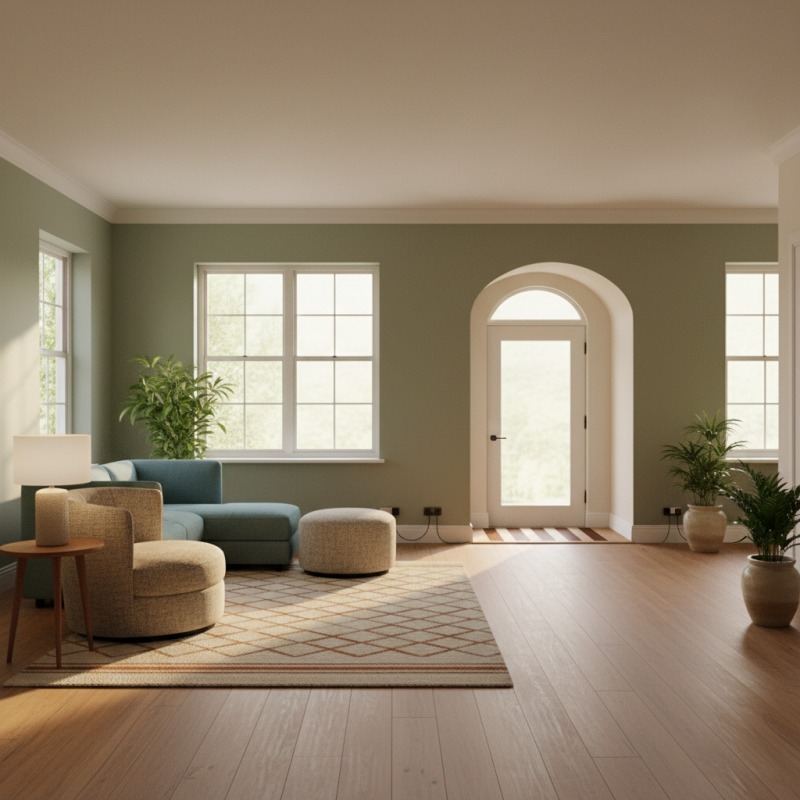
Creating a fall-proof living room involves thoughtful furniture selection. Start by choosing low-profile seating. A couch with no more than 18 inches off the ground is safer. It reduces the risk of falls for seniors. Consider chairs with armrests. They offer support for getting up and sitting down.
Tips for safety include selecting furniture with rounded edges. Sharp corners can pose a risk for falls. Upholstery should be slip-resistant. This ensures no slipping as you move around. Use lightweight furniture to allow easy rearranging for various activities.
Incorporate additional lighting with floor lamps. They brighten dark corners, minimizing tripping hazards. Keep pathways clear of obstacles. This allows for easy movement in the living room. Reflecting on your choices can lead to an inviting yet safe environment. Look for inconspicuous storage options to reduce clutter. A well-organized space promotes both safety and comfort.
Creating a fall-proof living room is essential for safety and comfort. One effective solution is using non-slip area rugs. These rugs provide both style and stability. Look for options with rubber backing, as they grip the floor well. Patterns can also hide dirt and wear, making them practical.
When choosing flooring, consider textured surfaces. A rougher finish can reduce slipping compared to smooth materials. Wood or tile floors can be beautiful but pose risks when wet. Use mats in high-traffic areas to minimize slip hazards.
Lighting is another key factor. Bright, even lighting helps people navigate safely. Consider adding motion-sensor lights for convenience. Reflecting on these elements can enhance both safety and aesthetics in your living room. Thoughtful design choices combine function with style, making your space welcoming and secure.
A well-lit living room is crucial for safety and visibility. Good lighting reduces fall risks, especially for seniors. Consider using a combination of ambient, task, and accent lighting. Soft, general lighting provides a warm atmosphere. Task lighting, such as reading lamps, helps with specific activities. Accent lights can highlight decor while increasing brightness.
Natural light should not be overlooked. Open curtains or blinds to let sunlight in. If possible, use mirrors to reflect light and create a brighter space. Ensure light switches are easily accessible and consider motion-sensor lights. These features help prevent accidents when entering a dimly lit room.
Tackling clutter can enhance safety. Keep pathways clear to facilitate movement. In addition, use rugs with non-slip backing to secure the floor. Choose light colors for walls and furnishings to reflect more light. Lastly, monitor your lighting regularly. Replace bulbs as needed to maintain bright spaces that promote safety.
Designing a fall-proof living room goes beyond aesthetics. Clear pathways play a vital role in ensuring safety. The National Safety Council reports that falls are a leading cause of injury. Arranging furniture to create open spaces reduces this risk.
Consider the layout. Use a triangular arrangement for seating to promote easy movement. This design allows for wider pathways, minimizing obstacles. A study by AARP emphasizes that well-structured spaces enhance accessibility. Aim for at least 24 inches between furniture pieces.
Lighting is another key factor. Adequate illumination can prevent accidents. The American Academy of Orthopaedic Surgeons states that dimly lit areas significantly increase fall risks. Position lights strategically to eliminate shadows and highlight pathways effectively. Using motion-sensor lights can also add a layer of safety.
In blending style with function, it’s essential to reflect on your living space's usability. Homeowners often prioritize décor, sometimes at the expense of safety. By focusing on accessibility now, you prepare for the future. A thoughtful approach to furniture placement can lead to a safer, more enjoyable environment for everyone.
A fall-proof living room design is essential for creating a safe space, especially for seniors. Incorporating safety features like grab bars and cushioned furniture can significantly reduce the risk of accidents. The CDC reports that falls are the leading cause of injury for older adults. By understanding these risks, we can design better environments.
Using grab bars in strategic locations can provide vital support. Install them near windows and seating areas. These bars offer stability when people need to stand or move. Cushioned furniture is also crucial. Sofas and chairs with soft, yet supportive cushions can make getting up easier. The right furniture can prevent slip-and-fall incidents.
In addition, consider lighting. Good lighting is essential for visibility. Use warm, inviting light that illuminates corners and walkways. Rugs should have non-slip backs. They add both comfort and safety. Proper design not only enhances aesthetics but also addresses practical needs. Every small detail counts in creating a safe living space. Remember, a safe environment promotes independence and peace of mind.
| Tip | Description | Safety Feature |
|---|---|---|
| 1. Use Non-Slip Rugs | Choose rugs with a non-slip backing to prevent slipping. | Non-Slip Rug Pads |
| 2. Install Grab Bars | Strategically place grab bars to assist with balance. | Grab Bars |
| 3. Opt for Soft Edges | Furniture with rounded corners minimizes injury risk. | Rounded Furniture |
| 4. Provide Ample Lighting | Bright lights improve visibility and reduce falls. | Adjustable LED Lighting |
| 5. Keep Walkways Clear | Remove clutter and obstacles that impede movement. | Organized Space |
| 6. Use Comfortable Seating | Select chairs that are easy to get in and out of. | Ergonomic Chairs |
| 7. Choose Accessible Furniture | Select furniture that accommodates mobility aids. | Mobility-Friendly Design |
| 8. Add Cushions for Comfort | Cushions can help provide support and reduce risk of falls. | Supportive Cushions |
| 9. Install Raised Flooring | Elevated flooring can help even out surfaces. | Raised Flooring Systems |
| 10. Regular Maintenance | Routine checks and repairs safeguard against accidents. | Safety Audits |
: Non-slip area rugs enhance safety by providing stability and preventing slips. They also add style to the space.
Choose rugs with rubber backing for better grip on the floor. Patterns can help conceal dirt and wear.
Textured surfaces like rough finishes reduce slipping. Smooth materials may increase risks, especially when wet.
Clear pathways reduce fall risks. They ensure movement is easy and safe, which is crucial for all individuals.
Aim for a triangular seating arrangement. Ensure at least 24 inches between furniture to promote accessibility.
Bright lighting reduces fall risks by improving visibility. Position lights to eliminate shadows and highlight walking paths.
Yes, focusing on accessibility now can help prepare for future mobility needs. It aids in creating a welcoming environment.
Motion-sensor lights provide illumination when needed, helping to navigate safely in dim areas. They add convenience too.
Focusing too much on style can lead to potential hazards. It's important to find balance between aesthetics and safety.
Creating a fall-proof living room requires careful consideration of safety and comfort. First, choosing the right furniture is essential; opt for pieces that offer stability and support. Additionally, incorporating non-slip area rugs and selecting appropriate flooring solutions can significantly reduce the risk of slips and falls. Ensuring adequate lighting not only enhances visibility but also promotes safety, allowing individuals to navigate the space easily.
Arranging furniture to create clear pathways is crucial for accessibility, minimizing the chance of accidents. Finally, adding safety features, such as grab bars and cushioned elements, can provide extra support and comfort. By following these guidelines on how to set up a fall-proof living room, you can create a safe and inviting environment that prioritizes the well-being of all users.

Aura Medical