As our loved ones age, their safety becomes a top priority. One significant risk is falling in the bathroom. Many elderly residents experience slips and trips due to wet surfaces and lack of support. According to Dr. Anna Heldebrandt, a geriatric safety expert, "Preventing falls in the bathroom can mean the difference between independence and a care facility."
Understanding how to prevent falls in the bathroom for elderly individuals is essential. Simple changes can enhance safety without overwhelming their daily routine. Installing grab bars, using non-slip mats, and improving lighting can make a big impact. However, sometimes families overlook these details, believing that accidents won’t happen. This mindset can lead to tragic consequences.
Every bathroom should be a safe space. Regular check-ups can identify potential hazards. It's crucial to address these issues before they cause harm. Learning how to prevent falls in the bathroom for elderly residents is not just about making their experience easier; it's ultimately about preserving their dignity and independence.
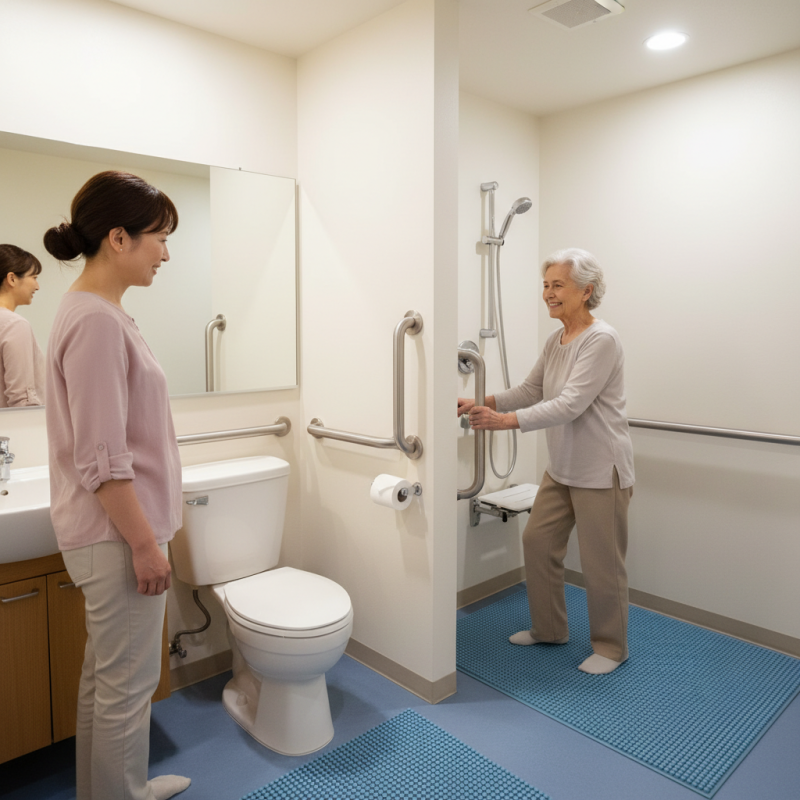
When it comes to identifying fall hazards in bathroom environments, several common issues arise. Slippery floors are a major concern, often caused by water accumulation. Wet tiles and bathtubs can create treacherous conditions. Additionally, loose rugs can easily slide, increasing the risk of falls. These elements need immediate attention to ensure safety.
Poor lighting can also contribute to accidents. Dimly lit bathrooms make it difficult for elderly residents to see potential hazards. Consider using brighter bulbs to illuminate all areas. Grab bars are essential near toilets and in showers. Yet, many bathrooms lack these crucial supports. Without them, the elderly struggle to maintain balance while bathing or using the restroom.
Clutter can create obstacles that lead to falls. Items left on the floor can be easily overlooked. Regularly clearing up unnecessary items can help minimize risks. Evaluating your bathroom periodically can uncover hazards that may not be immediately obvious. Making these changes doesn’t just enhance safety; it fosters confidence among elderly residents, allowing them to navigate their spaces with ease.
Bathroom design plays a crucial role in preventing falls for elderly residents. A well-thought-out bathroom can significantly enhance safety and accessibility. Reports indicate that over 80% of falls among seniors occur in the bathroom. Simple modifications can make a big difference. For example, installing grab bars near the toilet and in the shower can provide essential support. The Centers for Disease Control and Prevention (CDC) recommends these features as critical safety measures.
Non-slip flooring is another vital aspect. Traditional tiles can be slick when wet. Opting for textured surfaces can help reduce slips. Additionally, a walk-in bathtub or a curbless shower may offer easier access, lowering the risk of trip hazards. According to the National Institute on Aging, making these changes can decrease the likelihood of bathroom-related falls by up to 50%.
Lighting often goes overlooked, yet it is indispensable. Dimly lit spaces can lead to accidents. Smart lighting solutions that automatically brighten when someone enters can be a simple yet effective enhancement. Installation of night lights can also ensure that residents navigate safely during the night. Even with these improvements, it's important to regularly assess the space. Continuous evaluation ensures that the bathroom meets the evolving needs of elderly residents.
The bathroom can be a hazardous space for elderly residents. Slippery floors and cramped spaces often contribute to falls. Installing assistive devices can significantly reduce these risks. Grab bars should be placed near toilets and in the shower area. They provide stability when standing up or sitting down. These bars should be securely mounted to withstand weight.
Non-slip mats are another essential addition. They can be positioned alongside the tub or shower to prevent slipping. Additionally, using a shower chair allows seniors to sit while bathing. This minimizes the chance of losing balance.
Lighting also plays a crucial role in safety. Bright, well-placed lights can help seniors see better and avoid potential hazards. Consider motion-sensor lights for nighttime use. Regularly reviewing and updating these safety measures is important. Adjustments may be needed based on the resident's changing needs or capabilities.
Educating elderly residents on safe bathroom practices is crucial for preventing falls. According to the World Health Organization, falls are a leading cause of injury among older adults. More than 28% of seniors fall each year, with a significant number occurring in the bathroom. This environment presents unique hazards, such as wet surfaces and limited mobility.
To mitigate risks, seniors should be educated on using non-slip mats and grab bars. Research indicates that implementing such measures can reduce fall risks by up to 30%. Visual aids, like posters placed near the bathroom, can serve as daily reminders. Continuous encouragement to take small steps, like careful maneuvering around the tub or shower, can make a difference.
It's essential to acknowledge that not all elderly residents may be receptive to safety discussions. This resistance can stem from a desire for independence. However, fostering open dialogues and sharing statistics about falls can help change perspectives. Personal stories can resonate too, highlighting the importance of taking precautions. A proactive approach to education fosters a safer environment in bathrooms for our aging loved ones.
Maintaining a safe bathroom environment is crucial for elderly residents. Regular maintenance checks can prevent slips and falls, which are common hazards. Start by inspecting the flooring for any loose tiles or slippery surfaces. Non-slip mats can add extra grip but require routine checks to ensure they’re secure.
Keep grab bars installed near the toilet and in the shower. They should be sturdy and positioned at the right height. Periodically assess their stability. If they feel loose, they need reinforcement or replacement. Water leaks can make floors dangerously slick, so look for signs of moisture around sinks and tubs.
Lighting is another critical factor. Ensure all areas are well-lit, and consider installing night lights. Shadows can obscure potential hazards. It’s easy to overlook these details, but they demand attention. Talk to elderly residents about their experiences; they might reveal hidden risks. Regular feedback from those who use the bathroom will help refine safety measures.
: Bathroom design helps prevent falls, which are common among seniors. Over 80% of falls occur in this area.
Simple changes like installing grab bars and using non-slip flooring can greatly improve safety and accessibility.
Grab bars provide stability for seniors when standing or sitting, reducing the risk of losing balance in the bathroom.
Textured surfaces are safer than traditional tiles, as they reduce the risk of slips when wet.
Poor lighting can cause accidents. Bright lights and motion sensors help seniors navigate safely, especially at night.
Regularly check the stability of grab bars. They should be securely mounted and assessed for wear or loosening.
Non-slip mats provide grip by the tub or shower, but they require routine checks to ensure they stay secure.
Regular checks help identify hazards like loose tiles or leaks, preventing slips and ensuring a safe environment for residents.
Talk with elderly residents about their experiences in the bathroom. Their insights can reveal potential hazards.
If any safety feature feels unstable, reinforce or replace it immediately to maintain a secure bathroom environment.
Falls in the bathroom pose a significant risk for elderly residents, making it essential to understand how to prevent falls in the bathroom for elderly individuals. Identifying common fall hazards, such as slippery surfaces and inadequate lighting, is the first step toward enhancing safety. Improving bathroom design through features like non-slip flooring, grab bars, and walk-in tubs can greatly reduce risks.
Additionally, the installation of assistive devices, such as shower stools and raised toilet seats, provides further support for elderly users. Furthermore, educating residents on safe practices, such as using handrails and keeping pathways clear, fosters a culture of safety. Finally, regular maintenance and safety checks of bathroom facilities ensure that potential hazards are promptly addressed, contributing to a safer living environment for the elderly.

Aura Medical