10 Tips to Make a Bedroom Safe for Elderly Parents

Time:2026-05-16 Author:Henry
0%

Creating a safe bedroom environment for elderly parents is crucial for their well-being. As safety expert Dr. Sarah Thompson emphasizes, "A safe bedroom can significantly reduce the risk of falls and provide peace of mind." Understanding how to make a bedroom safe for elderly parents involves practical changes and thoughtful design.

Consider basic adjustments. Remove clutter from floors to create clear pathways. Ensure that all furniture is stable and free from sharp edges to prevent injuries. Special attention should be given to lighting. Use night lights to illuminate dark areas, aiding safe nighttime navigation.

Reflection is essential. While you might feel overwhelmed by the changes, remember that prioritizing their safety is paramount. Each small improvement can lead to a more secure living space. Ensuring your parents' comfort while keeping their environment safe is a task that requires careful consideration and love.
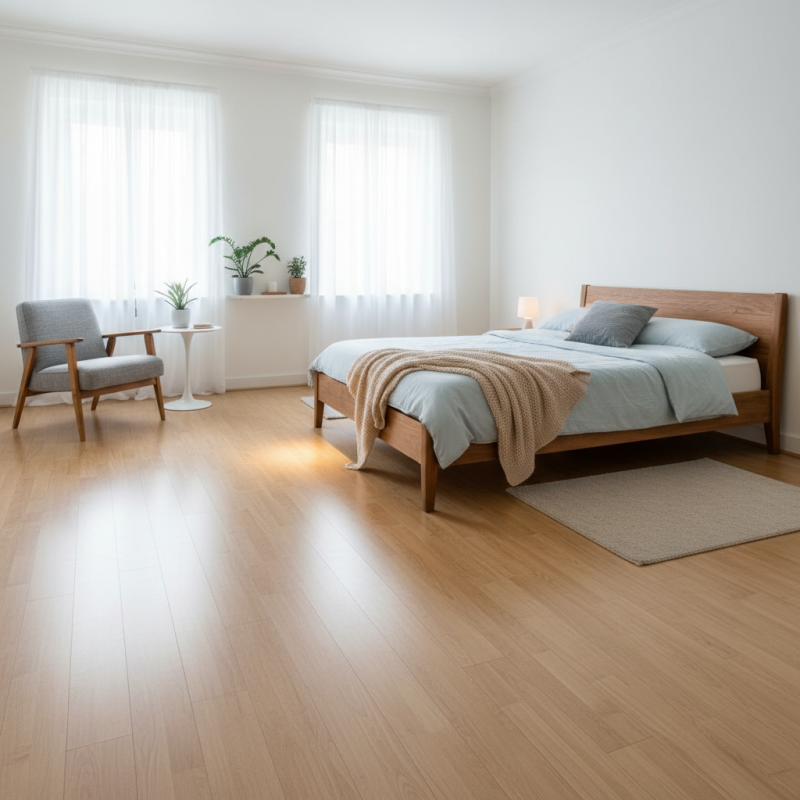
10 Tips to Make a Bedroom Safe for Elderly Parents

Evaluate the Bedroom Layout for Optimal Accessibility and Mobility

Creating a safe bedroom for elderly parents requires thoughtful organization. Start by evaluating the overall layout. Make pathways wide enough for a walker or wheelchair. Position the bed in a way that allows easy access from both sides. This small change can enhance mobility tremendously.

Consider the placement of furniture. Avoid sharp edges that can lead to injuries. Instead, choose rounded items when possible. Nightstands should be within reach, ensuring essential items, like glasses and medications, are easily accessible. Lighting is another crucial factor. Install bright, warm lights that eliminate shadows. Use motion sensor night lights to guide them during the night.

Reflect on the flooring choices as well. Carpets can be tricky; they may cause trips. Opt for non-slip surfaces instead. Remove any unnecessary rugs that could become hazards. Regularly assess the room for clutter. A clear space is safer and more inviting. By continuously evaluating these elements, you can create a secure and comfortable environment for your loved ones.

Remove Trip Hazards to Ensure a Safe Walking Path

Creating a safe environment for elderly parents involves careful planning, especially in the bedroom. One crucial aspect is removing trip hazards. Start by clearing the floor. Rugs and cords can easily cause accidents. Secure loose cords along the walls and consider removing area rugs altogether. This can provide a clearer walking path.

Furniture placement also matters. Ensure that pathways between furniture are wide enough for easy navigation. Consider how your parents move. For instance, a bedside table should not obstruct access to the bed. Nightstands should be placed where essentials are easily reached.

Adequate lighting is vital as well. Darkness can hide potential hazards. Use night lights that turn on automatically. This helps illuminate paths when your parents get up at night. Regularly check for obstacles and rearrange items, if necessary. Safety is an ongoing process that requires constant reflection and adjustment.

Install Appropriate Lighting for Enhanced Visibility at Night

Proper lighting is crucial for enhancing safety in a bedroom, especially for elderly parents. Install nightlights along pathways to help with visibility. Consider motion-sensor lights that turn on automatically. These lights can guide them safely to the bathroom or kitchen during the night. Avoid harsh lighting; instead, opt for soft, warm bulbs that create a calming atmosphere.

Using dimmable lights can provide flexibility. Adjust illumination based on the time of day or activity. A bedside lamp with a large switch helps seniors manage lighting easily. Ensure that all bulbs are bright enough to reduce shadows on the floor. Reflective materials, such as mirrors, can help distribute light. They also make a room feel larger.

While implementing these measures, regularly check the functionality of lights. Dead bulbs can create hazards. Reflect on the layout—are there any dark corners? Maybe you need to rearrange furniture. Each small detail contributes to the overall safety of the space. Addressing these aspects not only enhances visibility but also promotes independence for elderly parents.

Incorporate Supportive Furniture for Stability and Assistance

Creating a safe bedroom for elderly parents involves thoughtful choices in furniture. Supportive furniture is crucial for stability and assistance. Recent studies indicate that falls are the leading cause of injury among older adults, with about 36 million falls reported each year in the U.S. alone. To counter this, beds with adjustable heights allow individuals to enter and exit easily. These beds reduce the strain on joints, minimizing the risk of falls.

Incorporating sturdy handrails and grab bars can greatly enhance safety in the bedroom. According to the World Health Organization, these aids can reduce fall-related injuries by approximately 50%. Armchairs with proper back support provide a comfortable space for resting. Ideally, these should have wide armrests for easy push-offs when standing. Rugs should be avoided or secured to minimize tripping hazards.

It's essential to assess each piece of furniture regularly. Items that seemed safe initially may become obstacles over time. Prioritizing accessibility and ease of use helps maintain independence while ensuring safety. Each adjustment contributes to creating a secure environment, which promotes a sense of well-being in elderly parents.

Furniture Types for Elderly Bedroom Safety

Implement Emergency Response Solutions for Quick Assistance

Creating a safe environment for elderly parents involves implementing effective emergency response solutions. According to a study by the National Institute on Aging, quick assistance is crucial in reducing injury severity during emergencies. A well-placed emergency alert system can save vital minutes. This system should be easily accessible from multiple locations in the bedroom.

Consider using wearable devices that allow seniors to signal for help. These can come in the form of bracelets or pendants. In 2021, a report highlighted that over 70% of seniors felt safer with such devices. However, reliance on technology presents challenges. Seniors may resist using unfamiliar devices or might forget to wear them. It is essential to address these concerns through education and practice.

Regular drills can further enhance preparedness. They create familiarity with the emergency response process. Lists of emergency contacts should be prominently displayed. Many seniors may not remember numbers in high-stress situations. Yet, potential delays arise when caregivers are unavailable. Ensuring that seniors understand the steps to take can provide peace of mind. Their safety should always be the top priority.

10 Tips to Make a Bedroom Safe for Elderly Parents - Implement Emergency Response Solutions for Quick Assistance

Safety Measure Description Implementation Steps Emergency Response Solution
Non-Slip Flooring Install non-slip mats or treatments to prevent falls. Assess the floor type, choose appropriate non-slip solutions, and install throughout the bedroom. Consider adding alert systems for fall detection.
Emergency Contacts Keep a list of emergency contacts in a visible place. Create a list of caregivers, doctors, and family members. Set up a medical alert system with emergency contacts.
Lighting Ensure adequate lighting to avoid accidents at night. Install night lights and light switches within reach of the bed. Integrate smart lighting systems that can be controlled remotely.
Clear Pathways Remove clutter to ensure clear pathways. Regularly declutter and ensure furniture is well-placed. Use alert systems to notify if pathways are obstructed.
Emergency Button Install an emergency button within reach of the bed. Choose a button with an easy-to-press feature. Link it to an emergency response service.
Comfortable Bed Ensures comfort and support, preventing aches. Select adjustable beds if needed for ease of access. Incorporate bed sensors for monitoring sleep patterns.
Mobility Aids Provide aids like walkers or canes. Assess mobility needs and provide necessary tools. Link mobility aids with emergency alert systems.
Temperature Control Ensure a comfortable sleeping environment. Install adjustable thermostats or fans. Use smart home solutions for temperature monitoring.
Medication Management Organize medications to prevent confusion. Use pill organizers with reminders. Integrate medication alert systems.
Regular Checks Schedule regular health and safety checks. Establish a routine for safety assessments. Connect with healthcare services for home visits.

FAQS

: How can I optimize bedroom layout for elderly accessibility?

: Ensure pathways are wide enough for mobility aids. Position the bed for easy access from both sides.

What furniture features are important for elderly safety?

Choose supportive furniture, like beds with adjustable heights and armchairs with wide armrests for easy standing.

How can lighting improve safety in the bedroom?

Install bright lights and motion sensor night lights. These eliminate shadows and help guide during the night.

What flooring type is safest for elderly individuals?

Opt for non-slip surfaces and avoid carpets that may cause trips. Regularly assess for hazards like rugs.

What emergency response systems are recommended for elderly care?

Use easily accessible emergency alert systems and consider wearable devices for quick assistance.

How can I help seniors feel safe using technology?

Educate them on device use and conduct practice drills to enhance their comfort and familiarity with the tools.

Why is furniture assessment important?

Regularly check furniture as safety may change over time; what was safe can become an obstacle.

How does clutter impact bedroom safety?

Clutter creates hazards. A clear space is not only safer but also more inviting for elderly individuals.

Are supportive furniture and aids really effective?

Yes, using aids like grab bars can significantly reduce fall-related injuries, as studies suggest a 50% decrease.

What should I do if my elderly loved one resists safety changes?

Engage in discussions about safety, demonstrate the benefits, and make gradual changes to alleviate concerns.

Conclusion

Creating a safe bedroom environment for elderly parents is essential for their comfort and well-being. To achieve this, one must first evaluate the bedroom layout to ensure optimal accessibility and mobility. This means arranging furniture in a way that allows for easy movement, particularly for those using mobility aids. Additionally, removing trip hazards such as loose rugs and clutter is crucial to maintain a safe walking path throughout the room.

Lighting plays a significant role in safety, so installing appropriate lighting for enhanced visibility at night can help prevent accidents. Supportive furniture, such as sturdy bed frames and chairs with armrests, can provide the stability and assistance needed for daily activities. Lastly, implementing emergency response solutions, like alert systems or a reachable phone, ensures quick assistance in case of an emergency. By following these steps on how to make a bedroom safe for elderly parents, you can create a secure sanctuary that promotes their independence and peace of mind.

Henry

Henry

Henry is a dedicated marketing professional with a profound expertise in the company's offerings. With years of experience in the industry, he possesses an impressive understanding of the market dynamics and consumer behaviors that drive success. Henry is committed to sharing his insights through......