7 Best Reasons to Use Adaptive Utensils for Arthritis?

Time:2026-10-26 Author:Amelia
0%

Why use adaptive utensils for arthritis? For many people, the answer begins at the kitchen table. A swollen thumb may struggle with a narrow fork handle. A painful wrist may drop a spoon into warm soup. Adaptive utensils can reduce gripping force, improve control, and make everyday meals feel less exhausting. They may also support independence during flare-ups.

Occupational therapist Karen Jacobs, an ergonomics researcher, explains, “Adaptive equipment should support independence, not replace it.” This principle matters. The right utensil should fit the person, not simply look convenient. Built-up handles can reduce finger strain. Angled spoons may limit wrist twisting. Rocker knives can help someone cut soft food with less pressure. These small design changes may protect painful joints during repeated movements.

The seven reasons explored in this guide include comfort, safer gripping, reduced fatigue, improved coordination, easier meal preparation, greater confidence, and continued independence. Still, adaptive utensils are not a perfect fix. Some handles feel too large, while some designs may not suit limited hand strength. Personal experience matters. An occupational therapist can assess grip, range of motion, and daily routines before recommending equipment. Readers should also consider cleaning, weight, texture, and utensil balance. A tool that works beautifully for one person may frustrate another. That honest limitation is important. The goal is not to make arthritis disappear. It is to make ordinary actions—stirring oatmeal, lifting a cup, or cutting toast—more manageable.
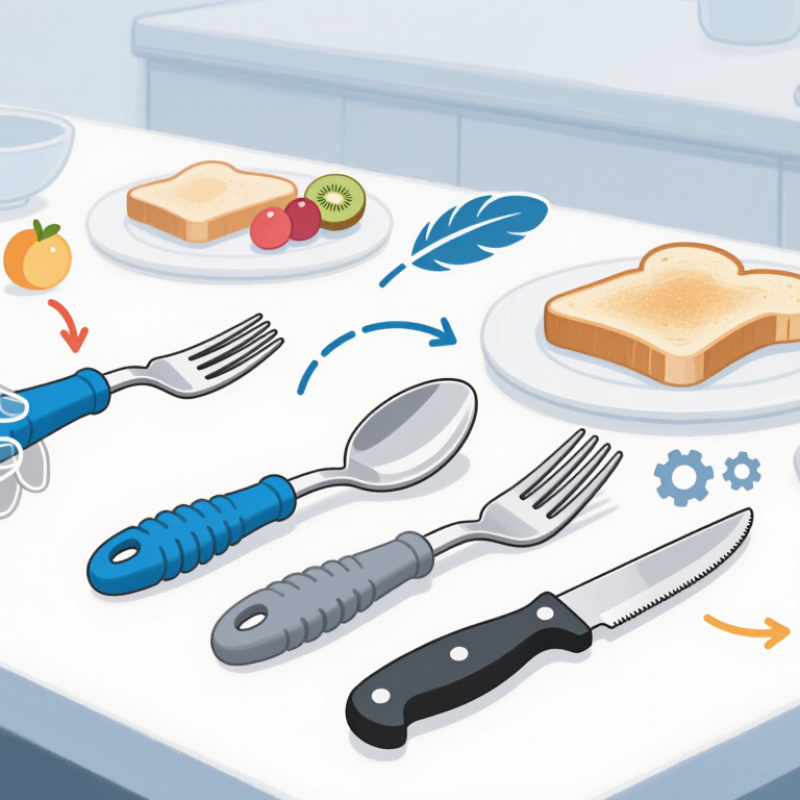
7 Best Reasons to Use Adaptive Utensils for Arthritis?

What Adaptive Utensils Are and How They Support Daily Eating

Adaptive utensils are eating tools designed for people who struggle with grip, wrist movement, coordination, or hand strength. They may have thick, textured handles, angled heads, lightweight materials, or built-in stabilizing features. These changes can make a spoon easier to control when arthritis causes pain or stiffness.

They support daily eating in several practical ways. A wider handle may reduce finger pressure. A lighter utensil can lessen wrist fatigue. An angled spoon may help when wrist rotation feels limited. Non-slip surfaces can improve control with damp hands. Larger grips may support weak fingers. Stabilizing designs can reduce shaking during meals. Easier handling may also help someone eat with less assistance.

Small details matter. A person might finish soup without dropping the spoon, or cut soft food with fewer painful movements. Occupational therapists often assess grip, joint motion, posture, and eating habits before recommending adaptations. Fit matters more than appearance. An oversized handle may feel helpful to one person but tiring to another.

These utensils are not a complete solution. Pain can still appear, especially during long meals or flare-ups. Some users need practice, and the first choice may be wrong. Cleaning, weight, and utensil balance also deserve attention. A healthcare professional can help match the tool to the user’s abilities and changing needs.

7 Best Reasons to Use Adaptive Utensils for Arthritis? — What Adaptive Utensils Are and How They Support Daily Eating
No. Reason Common Adaptive Feature How It Supports Daily Eating Most Helpful When
1 Reduced Gripping Difficulty Built-up, cushioned, or contoured handles A larger handle can be easier to hold than a thin standard utensil, especially when finger joints are painful, stiff, or weak. Hand or finger arthritis, reduced grip strength
2 Less Wrist Strain Angled or bendable utensil shafts The utensil can help place the spoon or fork in the mouth with less wrist bending, which may make eating more comfortable. Wrist pain, limited wrist motion, or difficulty keeping the hand straight
3 Improved Control Weighted, balanced, or stabilizing handles A suitable weight and balanced design may make the utensil feel steadier and help limit unwanted movement while scooping or cutting. Tremor, hand weakness, or reduced coordination
4 Easier Cutting Rocker knives and enlarged handles A rocker knife uses a curved blade and a rocking motion, reducing the need for a conventional back-and-forth sawing action. Painful finger joints or difficulty using a standard knife
5 Fewer Spills Deep bowls, raised edges, and angled spoons These designs can make it easier to collect food and guide it toward the mouth when hand control or range of motion is limited. Limited reach, reduced coordination, or difficulty scooping
6 Greater Independence Utensils matched to individual abilities The right design may help a person complete more of a meal without relying on another person for feeding assistance. Anyone whose arthritis makes ordinary utensils difficult to use
7 More Comfortable Meals Soft grips, lightweight materials, and customized shapes Comfort-focused designs may reduce hand fatigue during meals and make daily eating less physically demanding. Long meals, hand fatigue, or fluctuating arthritis symptoms
What are adaptive utensils? Adaptive utensils are eating tools designed to make grasping, guiding, scooping, or cutting easier for people with pain, stiffness, weakness, tremor, or limited movement. The most suitable design depends on the person’s hand function, wrist movement, grip strength, and eating habits. An occupational therapist can help with individualized selection and fitting.

How Arthritis Makes Standard Utensils Difficult to Use

Arthritis can make an ordinary spoon feel surprisingly difficult. Inflamed finger joints may hurt when they bend around a thin handle. Morning stiffness can also limit the wrist’s turning motion. A person may hold the utensil tightly, then feel more pain within minutes.

Standard utensils often demand more grip strength than expected. They can slip when fingers feel weak, numb, or swollen. A heavy fork may strain the wrist, while a narrow handle can press against tender joints. Tremors or reduced coordination may cause food to slide away. Small movements become frustrating.

Adaptive utensils address these challenges with larger grips, angled handles, or lighter materials. These features can reduce finger pressure and support a more natural wrist position. Many users also find built-up handles easier to control during long meals. Less force may mean less fatigue. That matters when cutting soft food or bringing soup to the mouth.

Occupational therapists often assess grip, range of motion, pain, and daily routines before recommending equipment. The best utensil depends on the person, not only the diagnosis. I once assumed a thicker handle would help everyone. That was too simple. Some people need a lighter tool, while others need added stability. A non-slip surface may help at breakfast, but it may not suit every hand. Try the utensil during a real meal, noticing pressure, spills, and wrist position. Stop if pain increases, and seek professional advice when hand function changes suddenly.

Seven Practical Reasons to Choose Adaptive Utensils

Arthritis can make an ordinary meal feel surprisingly demanding. Finger joints may ache, wrists may feel weak, and a slippery spoon can become difficult to control.

Adaptive utensils offer seven practical reasons to support easier eating.

  • A built-up handle can reduce gripping force.
  • A non-slip surface may improve control.
  • An angled utensil can limit painful wrist bending.
  • A lightweight design may reduce fatigue.
  • A weighted design can steady shaky movements for some users.
  • Larger handles may be easier to hold with stiff fingers.
  • Better control can also support greater independence at the table.

That matters.

The best choice depends on the person, not just the diagnosis. Someone with swollen knuckles may prefer a soft, thick handle. Another person may need a bendable utensil or a wider grip. Occupational therapists can assess hand movement and suggest suitable features. However, more weight is not always better. It can help stability, but it may strain a tired wrist. Comfort should guide the decision.

Tips: Test one utensil during a short meal. Notice pressure, wrist position, and hand fatigue. Choose handles that stay secure without squeezing tightly. Keep the utensil close to the plate to reduce reaching. Wash and inspect it regularly, especially around textured areas. If pain increases, stop and ask a healthcare professional for guidance. Small changes help, though results may vary.

Key Features for Comfort, Grip, and Joint Protection

7 Best Reasons to Use Adaptive Utensils for Arthritis

Key Features for Comfort, Grip, and Joint Protection

Arthritis can make a fork feel surprisingly heavy. The CDC reports that 53.2 million U.S. adults had doctor-diagnosed arthritis during 2015–2018. Adaptive utensils may help by enlarging the grip, reducing finger pressure, and supporting steadier wrist movement. A wider, contoured handle is easier to hold when morning stiffness limits dexterity. Lightweight materials can also reduce fatigue during longer meals. Small changes matter.

Comfort comes from thoughtful design. Soft, non-slip surfaces can prevent slipping when hands feel weak or damp. Angled handles may keep the wrist closer to a neutral position, which can reduce awkward twisting. Built-up grips may protect painful finger joints from tight pinching. Some utensils include bendable shafts or angled heads, helping users reach the mouth without lifting the elbow too high. These features support independence, especially for people managing hand osteoarthritis or rheumatoid arthritis. Still, fit matters more than appearance.

The World Health Organization estimates that 1.71 billion people worldwide live with musculoskeletal conditions, showing the scale of daily movement challenges. Occupational therapists commonly assess grip strength, range of motion, and eating posture before recommending assistive equipment. That advice is valuable. An oversized handle may feel comfortable, yet become tiring for a smaller hand. A heavier utensil may seem stable, but increase wrist strain. Adaptive tools are not magic. Users should test several shapes, clean them carefully, and seek professional guidance when pain, numbness, or reduced strength continues.

How to Select Adaptive Utensils for Individual Needs

How to Select Adaptive Utensils for Individual Needs

Adaptive utensils should match the user, not merely the diagnosis. The World Health Organization estimated that 528 million people lived with osteoarthritis in 2019. Hand pain, stiffness, and reduced grip strength can make ordinary cutlery frustrating. Start by observing the hardest task. Is lifting food difficult, or does twisting the wrist cause pain? Choose wide, non-slip handles for weak grips. Lightweight utensils may reduce fatigue, but some users need added weight for steadier movement. Try both options.

Angle matters too. Bent or rotating handles can reduce wrist turning during meals. Larger spoons may help users with limited finger control, while shallow bowls can support safer scooping. An occupational therapist can assess grip strength, joint movement, tremors, and eating posture. The Centers for Disease Control and Prevention reports that arthritis affects more than 53 million American adults. Needs vary widely within that group.

Test before buying several pieces. A utensil can feel comfortable for five minutes, then strain the thumb during a full meal. Check whether the handle stays stable with moist hands. Washability also matters. A perfect choice is unlikely. Small adjustments may work better than expensive features. Reassess after pain, strength, or mobility changes.

FAQS

What are adaptive utensils?

Adaptive utensils are eating tools designed for limited grip, wrist movement, coordination, or hand strength. They may include thick handles, angled heads, lighter materials, or stabilizing features.

How can adaptive utensils help with arthritis?

A wider handle can reduce finger pressure around painful joints. A lighter spoon may also reduce wrist fatigue during meals. Small changes matter.

Why can standard utensils feel difficult to use?

Thin handles may require painful finger bending and strong gripping. Heavy forks can strain the wrist, especially when joints feel stiff or swollen.

Which utensil feature may help weak fingers?

A larger, textured handle may give weak fingers more surface to hold. A non-slip coating can also improve control with damp hands.

Can an angled spoon help limited wrist movement?

An angled spoon may reduce the wrist rotation needed to reach the mouth. This can make eating soup easier when turning the wrist causes discomfort.

Are adaptive utensils a complete solution for eating difficulties?

No. Pain may continue during long meals or symptom flare-ups. Some users need practice, and the first utensil choice may not fit well.

How should someone choose the right adaptive utensil?

Consider grip strength, wrist motion, pain, utensil weight, balance, and daily eating habits. Try the tool during a real meal. Notice spills, pressure, and wrist position.

Can a healthcare professional help select adaptive utensils?

Yes. An occupational therapist can assess grip, joint movement, posture, and eating routines. Professional advice matters when hand function changes suddenly or pain increases.

Conclusion

Adaptive utensils are specially designed eating tools that make daily meals easier, safer, and more comfortable for people with arthritis. Joint pain, stiffness, swelling, and reduced hand strength can make standard forks, spoons, and knives difficult to hold or control. By offering larger, cushioned, angled, or weighted handles, adaptive utensils can reduce gripping effort and support better control during meals. Understanding why use adaptive utensils for arthritis can help individuals find practical ways to maintain independence and enjoy eating with less discomfort.

The seven main benefits include improved grip, reduced strain, better stability, easier food cutting, greater comfort, increased confidence, and support for independent dining. Important features may include non-slip materials, ergonomic shapes, lightweight construction, and designs that accommodate limited wrist movement. When choosing adaptive utensils, consider hand size, strength, pain level, range of motion, eating habits, and whether additional support is needed. The right option should feel comfortable, easy to control, and suitable for the user’s daily routine.

Amelia

Amelia

Amelia is a seasoned marketing professional with a wealth of expertise in our company’s core offerings. With an unwavering passion for driving growth and innovation, she plays a pivotal role in shaping our marketing strategies and enhancing brand visibility. A key aspect of her responsibilities......