Travel with a wheelchair should not mean choosing between independence and a manageable trip. A foldable model can fit into many cars, taxis, and hotel rooms, but its hinges, wheels, and weight still need practical planning. The key question is not only how to travel with a foldable wheelchair, but how to keep each transfer safe and predictable.
The need is substantial. The World Health Organization’s 2022 Global Report on Assistive Technology estimates that more than 2.5 billion people need one or more assistive products, including wheelchairs. It also warns that access remains uneven. Travel adds another layer: airline procedures, station layouts, vehicle storage, and accommodation details can vary. The Open Doors Organization’s 2020 U.S. market study reported that adults with disabilities took 27 million trips in 2018, spending $58.7 billion on travel. These figures show both demand and the value of clear, accessible planning.
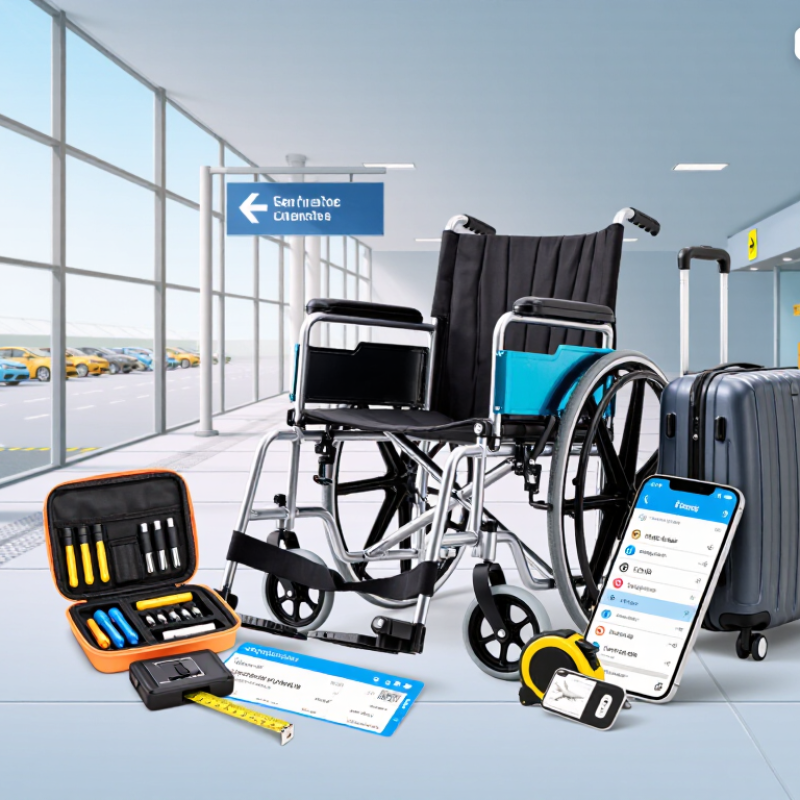
Small details matter. Measure the folded chair before booking a rental car. Photograph its model label, removable parts, and any existing marks. Ask the airline or transport provider how the chair will be handled, and request current instructions in writing. Check routes between the entrance, lift, platform, and seat—not just the destination itself. Pack a compact repair kit if appropriate, and keep essential contact details close.
Plans can still fail. A promised storage space may be smaller than expected, or a lift may be out of service. That is frustrating, and no checklist can prevent every surprise. The tips ahead focus on preparation, communication, and realistic backup options, so the journey feels more controlled without pretending it will be perfect.
WHO estimates that 1.3 billion people, or about 16% of the world’s population, experience significant disability (WHO, “Disability,” 2023). Accessibility planning is ordinary travel preparation. WHO and UNICEF’s 2022 Global Report on Assistive Technology estimates that 2.5 billion people need one or more assistive products, while nearly one billion lack access. A foldable wheelchair saves space, but it cannot make an inaccessible route usable. Check step-free entrances, lift availability, curb cuts, toilet access, and transfer space before booking. Ask hotels to confirm door widths and bed clearance in writing. Save contact details and identify a backup route.
The Open Doors Organization’s 2020 U.S. Market Study reported that 27 million adults with disabilities took 81 million trips in 2018, spending $58.7 billion on travel. Small details matter. Measure the folded chair. Photograph it before check-in. Label detachable parts. Confirm handling procedures with the carrier. Keep a cushion and basic repair tools accessible. Request assistance early. Allow time for transfers. Store essentials within reach. Check charging needs, if applicable. Keep a second route in mind. Even careful plans can miss a broken lift or a tight doorway, so confirm key details again shortly before departure.
A foldable wheelchair cannot make every route accessible. Confirm step-free entrances, working lifts, curb cuts, accessible toilets, and transfer space. Ask the hotel to confirm door widths and bed clearance in writing.
Ask about entrance steps, lift access, bathroom layout, and space beside the bed. A doorway can look wide in a photo but still be too tight. Keep the hotel’s reply.
Check the battery label for its chemistry and watt-hour rating. If it is faded, ask the supplier for written specifications. A guess at check-in may cause delays.
Contact the airline’s accessibility team before travel. Share the chair model, battery type, rating, and whether the battery removes. Ask about approval and handling instructions, then save the reply.
Measure its folded length, width, and height. Include wheels, handles, and footrests. Compare the measurements with current airline guidance and ask whether the chair can travel in the cabin or hold.
Photograph it before check-in and label detachable parts. Remove or secure loose cushions and bags according to the manufacturer’s guidance. Keep repair tools and essentials within reach.
Save useful contact details and plan another route. Confirm key accessibility details again shortly before departure. Plans can miss things. A second option helps.
Check charging needs, loose footrests, battery terminals, and transfer time. I might still forget a footrest. Double-check it. A tape measure and chair photo can help.
Learning how to travel with a foldable wheelchair starts with planning around your specific accessibility needs. The World Health Organization estimates that 1.3 billion people live with disabilities, so arranging suitable support ahead of time can make a trip smoother. Contact your airline early to request assistance, explain how you use your chair, and keep essential details—such as its folded size, weight, and battery information—easy to access. On U.S. aircraft with at least 100 seats, rules require space to stow one wheelchair in the cabin, though it is still wise to confirm the arrangements for your flight.
Before departure, measure the wheelchair when folded and compare its dimensions with the airline’s published baggage limits. If it is powered, check that the battery labels are clear and obtain the airline’s approval before flying. A little preparation helps you anticipate stowage needs, reduce uncertainty at the airport, and travel with greater confidence.

 Aura Medical