Home accessibility changes are becoming essential, not optional. The CDC reports that 27% of U.S. adults live with a disability. Many need safer bathrooms, wider doorways, or small entry ramps. These improvements can protect independence, reduce fall risks, and support aging at home.
AARP’s 2021 Home and Community Preferences Survey found that 77% of adults aged 50 and older want to remain in their current homes. Rodney Harrell, AARP’s vice president of Family, Home and Community, said, “The vast majority of older adults want to stay in their homes and communities as they age.” That preference has financial consequences. A walk-in shower may cost less than repeated emergency care, but families still face difficult upfront bills. Learning how to finance home accessibility modifications requires comparing grants, insurance benefits, home equity, personal loans, and local assistance programs. The best option depends on income, ownership status, credit, and the modification’s urgency.
There is no universal answer. That matters. A contractor’s estimate can change after discovering hidden plumbing or weak flooring. The U.S. Department of Housing and Urban Development recommends checking local housing agencies and approved counseling resources before borrowing. This guide examines practical funding routes, their trade-offs, and questions homeowners should ask. It also recognizes an uncomfortable reality: some programs have long waiting lists, strict eligibility rules, or limited geographic coverage. Careful planning can still turn a narrow hallway, slippery tub, or unsafe front step into a more usable home.
Define the Need: 28.7% of U.S. Adults Report a Disability (CDC)
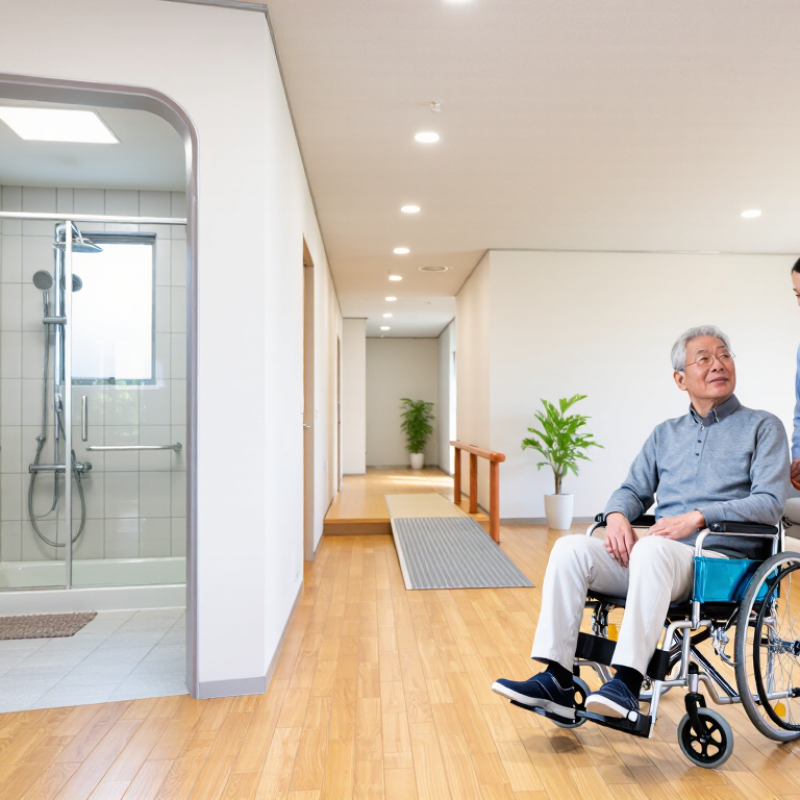
The need is larger than many households realize. The CDC reports that 28.7% of U.S. adults have a disability. That figure includes mobility, hearing, vision, cognition, and independent-living challenges. A narrow doorway, slippery shower floor, or steep front step can turn an ordinary home into a daily obstacle.
An occupational therapist can assess the home before money is spent. Their recommendations may include grab bars, lever handles, brighter lighting, a ramp, or a first-floor sleeping area. Detailed measurements and written estimates can strengthen applications for public grants, local assistance, or disability-related loan programs. Some health coverage may support equipment, but home construction is often treated differently. Rules vary by program and location.
Start with the modification that reduces the greatest safety risk. A bathroom change may matter more than a larger renovation. Compare secured loans, personal loans, community grants, and payment plans carefully. Review interest rates, fees, repayment terms, and accessibility requirements. A low monthly payment can still create a costly balance. Be cautious with tax assumptions; eligibility depends on personal circumstances and current rules. Keep invoices, contractor licenses, photographs, and professional recommendations together. Applications can take weeks. Needs can change faster. That mismatch deserves honest planning.
Estimate Project Costs Using Local Bids and Houzz Remodeling Benchmarks
Financing home accessibility work starts with a realistic cost estimate. Ask at least three local contractors for detailed, written bids. Each bid should separate labor, materials, permits, disposal, and possible structural repairs. Request measurements for wider doorways, lever handles, grab bars, ramps, or a zero-threshold shower. Small details can change the final price.
Compare those bids with current remodeling benchmarks from reputable housing research sources. Benchmarks provide useful regional context, but they are not promises. A local bid may cost more because of limited contractor availability, older wiring, or difficult bathroom access. It may cost less when the room needs only modest changes. Keep a 10% to 20% contingency reserve for hidden conditions. Accessibility projects often uncover them.
My first estimate was too optimistic. I forgot to include temporary living arrangements during bathroom work. That mistake changed the financing plan. Consider using savings, a home improvement loan, or local accessibility assistance programs. Ask lenders about fixed payments, interest costs, and early repayment terms. A qualified occupational therapist can help prioritize modifications that improve daily safety. A licensed contractor can confirm whether walls, plumbing, or electrical systems need upgrades. Review every assumption before signing. A cheaper bid is not always the safer choice.
Search Grants and Aid: Medicaid HCBS, VA, HUD, and Local Programs
Home accessibility work often begins with a funding search, not a contractor. About one in four U.S. adults reports a disability, according to the CDC’s Disability and Health Data System. Medicaid Home and Community-Based Services waivers may fund ramps, widened doors, bathroom changes, or safety equipment. Coverage depends on state rules, medical necessity, and an approved functional assessment. Ask a case manager for the waiver handbook and written approval requirements. Do not start construction too early.
Veterans should review disability-related housing grants through the Department of Veterans Affairs. Eligibility can depend on service connection, ownership, and the home’s required modifications. HUD-funded Community Development Block Grant and HOME programs may support repairs through local housing offices, although application windows and income limits differ. County agencies, housing nonprofits, and energy offices sometimes offer smaller repair grants or zero-interest loans. Local help can be surprisingly practical.
The 2023 Improving America’s Housing report recorded roughly 472 billion dollars in homeowner improvement spending in 2022. That figure covers all remodeling, not accessibility work, so it should not guide a personal budget alone. A detailed estimate, photographs, medical documentation, and contractor licensing records strengthen an application. I would also compare three funding sources, because one program rarely pays every cost. Some applications are slow. Plan for delays, uncovered permits, and a possible funding gap.
Compare Financing: FHA 203(k), HELOCs, Home Equity Loans, and PACE
Financing accessibility modifications starts with the project, not the loan. A roll-in shower, wider doorways, or a sturdy entry ramp may require different payment timing. FHA 203(k) financing can combine a home purchase or refinance with renovation costs. It may suit borrowers who need one structured loan, but expect inspections, contractor documents, and lender approval. Funds are usually released as work progresses. Delays can happen.
A HELOC provides a reusable credit line against home equity. It offers flexibility for phased improvements, yet its variable rate can raise monthly payments. A home equity loan gives one lump sum and predictable payments, which may work better for a clearly priced renovation. Both use the home as security. Missed payments can create serious risk. PACE financing attaches repayment to the property rather than a traditional loan payment in many areas. Check local availability, assessment terms, resale effects, and refinancing conditions carefully. Buyers or lenders may question the remaining obligation.
Compare the total cost, not only the advertised rate. Ask how permits, change orders, inspections, and accessibility specialists affect the budget. Keep a cash reserve. Even careful estimates miss hidden plumbing or structural repairs. A written scope, independent inspection, and verified contractor credentials improve reliability. I would also test the finished space with the person who will use it. A beautiful modification can still be difficult to operate. Terms, eligibility, and consumer protections vary by location and borrower profile. Get written answers before signing.
Test Affordability Against FHA’s 43% Debt-to-Income Benchmark
Home accessibility work should pass a debt-to-income reality check before construction begins. The FHA’s 43% benchmark compares monthly debt payments, including the proposed housing payment, with gross monthly income. A $2,400 gross monthly income supports about $1,032 in total monthly debt under that measure. The calculation is useful, but it is not a guarantee. Taxes, insurance, utilities, and medical expenses still reduce cash available for ramps, wider doors, or bathroom changes.
Industry data shows why planning matters. AARP’s 2021 Home and Community Preferences Survey found that 77% of adults aged 50 and older want to remain in their current homes. Yet the Joint Center for Housing Studies reports that only about 4% of U.S. homes provide key aging-friendly features, including a single-floor layout and no-step entry. Financing options may include savings, a home equity loan, or a renovation loan, depending on income, credit, and available equity. Compare the full monthly payment, not only the advertised interest rate. That detail is easy to miss.
Tips: Get two written project estimates. Add a 10% to 20% contingency for hidden plumbing or structural work. Test the new payment against the 43% ratio and your actual monthly budget. A spreadsheet may reveal an uncomfortable truth: a smaller modification today could be safer financially than a complete remodel.
Top Ways to Finance Home Accessibility Modifications
Test affordability against the FHA’s commonly used 43% debt-to-income benchmark. The examples below use a household with $6,000 in gross monthly income, $2,100 in existing monthly debt, and a $500 monthly payment for accessibility work.
Cash savings adds no monthly debt, producing a 35.0% debt-to-income ratio. A $500 monthly financing payment raises the ratio to 43.3%, slightly above the 43% benchmark. A $750 payment produces a 47.5% ratio. Actual approval standards vary by lender, credit profile, income stability, loan type, and compensating factors.
FAQS
Search for funding before hiring a contractor. Ask a case manager about waiver rules and written approval. Do not start too early.
Some state programs may fund ramps, widened doors, bathroom changes, or safety equipment. Approval often requires medical necessity and a functional assessment. Rules differ by state.
Prepare a detailed estimate, photographs, medical records, and contractor licensing documents. Written evidence makes the need easier to evaluate. Details matter.
Veterans can review disability-related housing grants through federal veterans’ services. Eligibility may depend on service connection, home ownership, and required modifications. Check current requirements carefully.
Local housing offices may offer repair grants or low-cost loans. County agencies, nonprofits, and energy offices may provide smaller assistance. Application windows and income limits vary.
Add a 10% to 20% contingency for hidden plumbing or structural problems. Permits and uncovered repairs can create a funding gap. It happens.
A 43% debt-to-income benchmark compares monthly debt payments with gross monthly income. For $2,400 monthly income, the benchmark allows about $1,032 in total debt. That is not a promise.
Include taxes, insurance, utilities, medical costs, permits, and maintenance. Compare the complete monthly payment, not only the interest rate. The spreadsheet may disappoint.
Sometimes a ramp, grab bars, or one wider doorway solves the most urgent problem. Compare at least two written estimates and consider three funding sources. I might underestimate future needs.
Conclusion
Planning how to finance home accessibility modifications begins with clearly defining the household’s needs. Since nearly 28.7% of U.S. adults report a disability, improvements such as ramps, wider doorways, accessible bathrooms, and stair lifts may be essential for safety and independence. Start by obtaining local contractor bids and comparing them with reliable remodeling cost benchmarks to create a realistic project budget.
Next, investigate grants, community assistance, disability-related benefits, veteran support, housing programs, and other public resources that may reduce out-of-pocket costs. For remaining expenses, compare options such as renovation mortgages, home equity lines of credit, home equity loans, and property-based financing, while reviewing interest rates, fees, repayment terms, and eligibility requirements. Finally, test the proposed payment against household income, existing debts, and a commonly used 43% debt-to-income guideline. This process can help homeowners choose a sustainable funding strategy without compromising long-term financial stability.

 Aura Medical