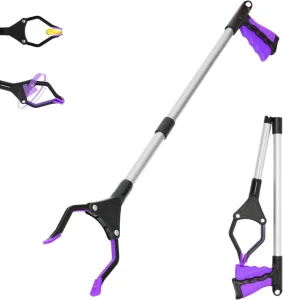
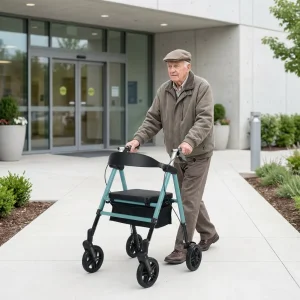
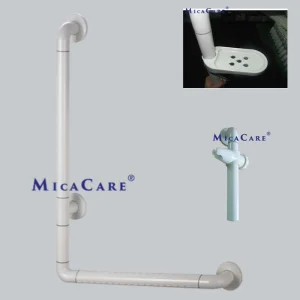
As the global population ages, the "Silver Economy" is demanding more sophisticated, reliable, and accessible Fall Prevention Products. Data indicates that falls are a leading cause of injury among the elderly, necessitating proactive, rather than reactive, solutions. At Foshan Aura Medical Co., Ltd., we recognize that our role transcends basic manufacturing; we are architects of safety and dignity.
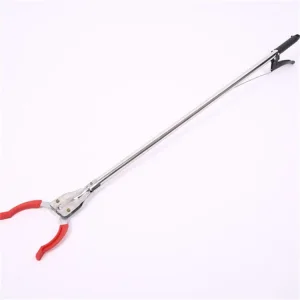
Increasing urbanization and the rise of "aging-in-place" concepts have surged demand for home modification kits, including grab bars, specialized seating, and mobility aids. North America and Europe remain the largest markets, yet rapid growth is noted in the Asia-Pacific region.
Based in Foshan, Guangdong—the heart of China's advanced manufacturing—our facility benefits from an unparalleled industrial cluster. This proximity to raw material suppliers and R&D centers allows us to maintain strict quality control while offering competitive pricing that empowers global distributors.
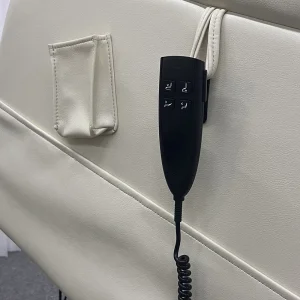
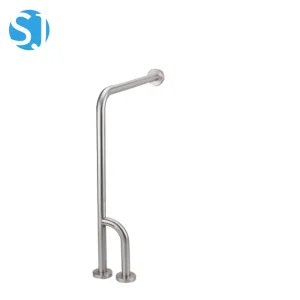
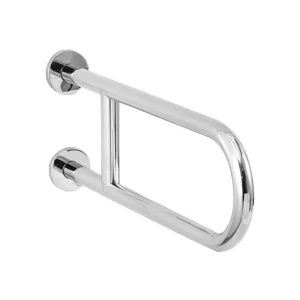
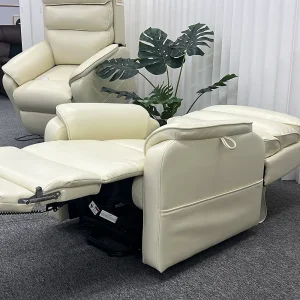
E-E-A-T is not just a standard; it’s our operational backbone. Every SUS 304 stainless steel grab bar or electric lift chair undergoes rigorous stress testing. We bridge the gap between compliance and usability, ensuring our products meet international ISO and medical device safety standards.
Based in Danzao Town, Foshan, Foshan Aura Medical Co., Ltd. represents the pinnacle of medical assistive device manufacturing. Our 4,000 square meter facility is a hub of technological innovation, where we blend ergonomic research with high-precision manufacturing processes.
Foshan offers a complete supply chain ecosystem for medical hardware. This reduces lead times, improves material sourcing cost-efficiency, and provides access to advanced machinery, ensuring your product reaches the market faster.
Safety is non-negotiable. We conduct multi-stage quality inspections, from material testing (like tensile strength for grab bars) to finish durability, ensuring full compliance with international medical safety regulations.
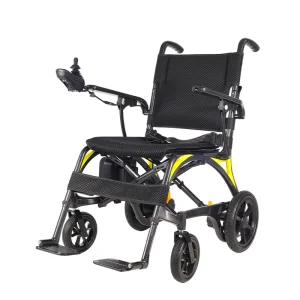
The trend is moving towards "Smart Assistance"—integrating IoT, lightweight materials like carbon fiber, and user-centric designs that prioritize aesthetic appeal alongside safety, reducing the "clinical" look of home mobility aids.
 Aura Medical