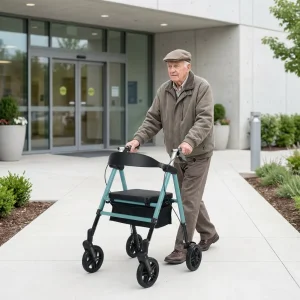
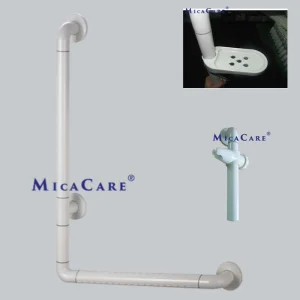
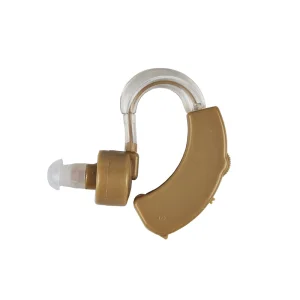
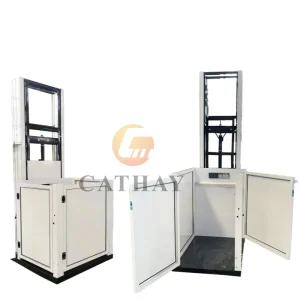
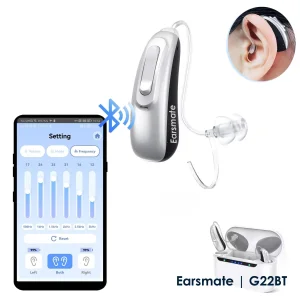
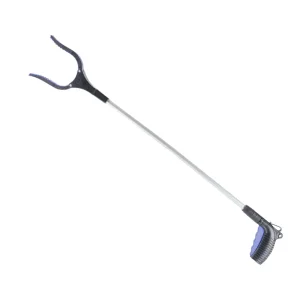
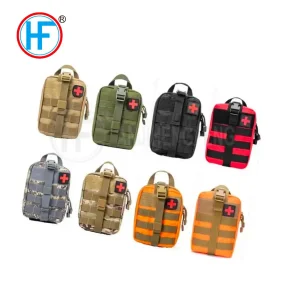
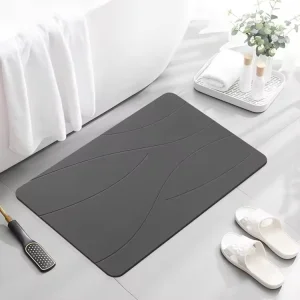
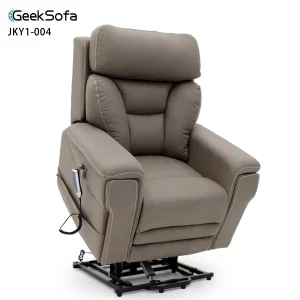
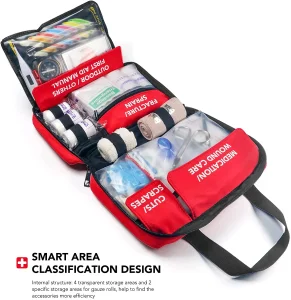
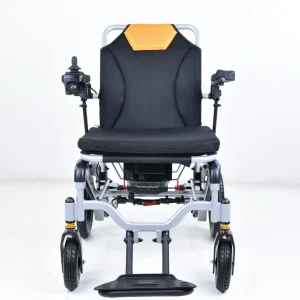
Explore our core medical mobility, support, and elderly rehabilitation solutions engineered for maximum durability and patient comfort.
In the global healthcare landscape, non-adherence to prescribed medication therapies represents a multi-billion dollar challenge, resulting in preventable hospitalizations, clinical trial failures, and compromised patient outcomes. Traditional pillboxes are passive and prone to human error. To resolve this, the global medical industry is undergoing a paradigm shift towards IoT-connected Smart Pill Dispensers. These systems combine physical barrier security, cloud connectivity, multi-sensor verification, and real-time electronic logging to ensure patient safety.
As a leading pioneer in medical technology manufacturing, Foshan Aura Medical Co., Ltd. (based in Danzao Town, Nanhai District, Foshan City, Guangdong Province) has extended its precision fabrication and medical hardware design capabilities to encompass advanced smart pill management systems. Operating from a state-of-the-art 4,000 square meter factory, we leverage specialized mechanical engineering, safety certification systems, and IoT capabilities to provide global medical brands, healthcare networks, and pharmaceutical researchers with world-class OEM and ODM solutions.
Aura Medical’s R&D department has charted a comprehensive technology roadmap for smart medication devices. Our engineering focus spans three pillars: IoT communication versatility, sensor-driven verification, and proactive AI edge notifications.
Every dose event is verified using an array of photoelectric break-beams and mechanical micro-switches. Our 2025/2026 models feature integrated high-resolution micro-load-cells capable of measuring milligrams of difference to verify that a dose was truly taken.
To operate seamlessly across global medical systems, our smart dispensers utilize dynamic hardware layouts supporting cellular IoT (LTE-M / NB-IoT), Wi-Fi, and low-energy Bluetooth (BLE). They connect with custom medical apps and cloud servers out-of-the-box.
Our human-centered approach includes large OLED capacitive touch interfaces, voice guidance modules, and motorized locking carousels. This ensures access is restricted to authorized individuals, protecting pediatric populations from accidental poisoning.
| Feature / Parameter | Standard Smart Dispenser Specs (OEM) | Enterprise Advanced Options (ODM) |
|---|---|---|
| Chamber Capacity | 28 individual dosing slots | Up to 60 multi-chamber compartments |
| Communication Protocols | Wi-Fi (802.11 b/g/n) & Bluetooth 5.0 LE | 4G LTE-M / NB-IoT with integrated eSIM |
| Security System | Mechanical physical key lock | Biometric Fingerprint + PIN Access + Cloud Override |
| Sensor Technology | Infrared Photo-interrupter | Load Cell Weight Matrix & Internal Camera |
| Power Architecture | DC 5V Input + AA Alkaline Battery Backup | Rechargeable Lithium-Ion (30-day battery life) |
| Material Integrity | FDA Food-grade ABS plastic | Anti-Microbial Polymers & UV-C Sterilizer |
Aura Medical does not simply manufacture hardware; we design and scale comprehensive B2B device solutions tailored to the operational frameworks of diverse medical institutions.
At our specialized manufacturing facility in Foshan City, we ensure that every design is backed by optimized fabrication protocols. By utilizing raw material sourcing pipelines within the Guangdong industrial corridor, we provide our customers with unmatched efficiency, precision, and supply chain security.
Below is a visual overview of our advanced mechanical fabrication, surface treatment, and assembly divisions. These systems produce high-grade structural metal and plastic components for assistive medical hardware and smart enclosure systems.
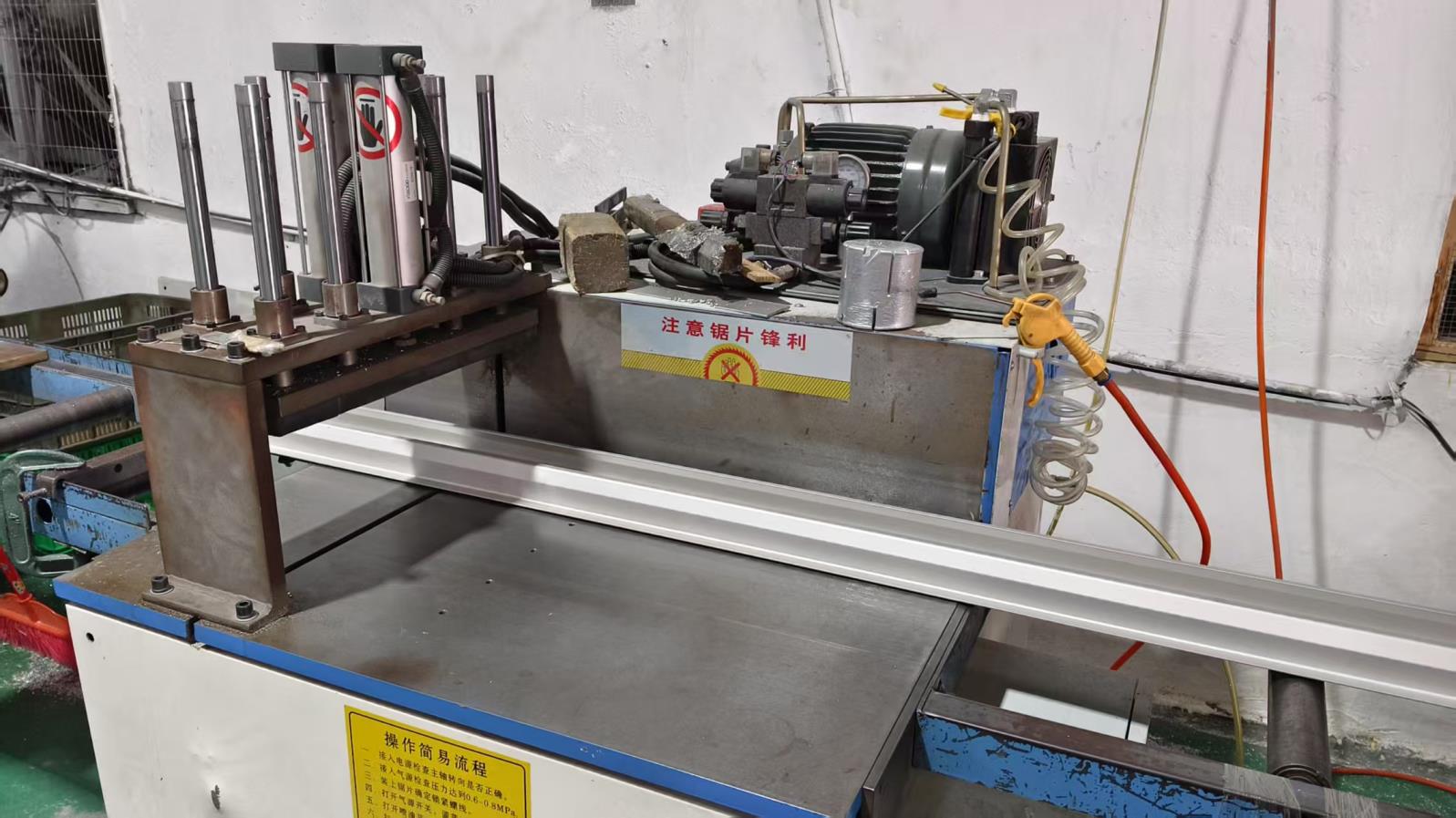
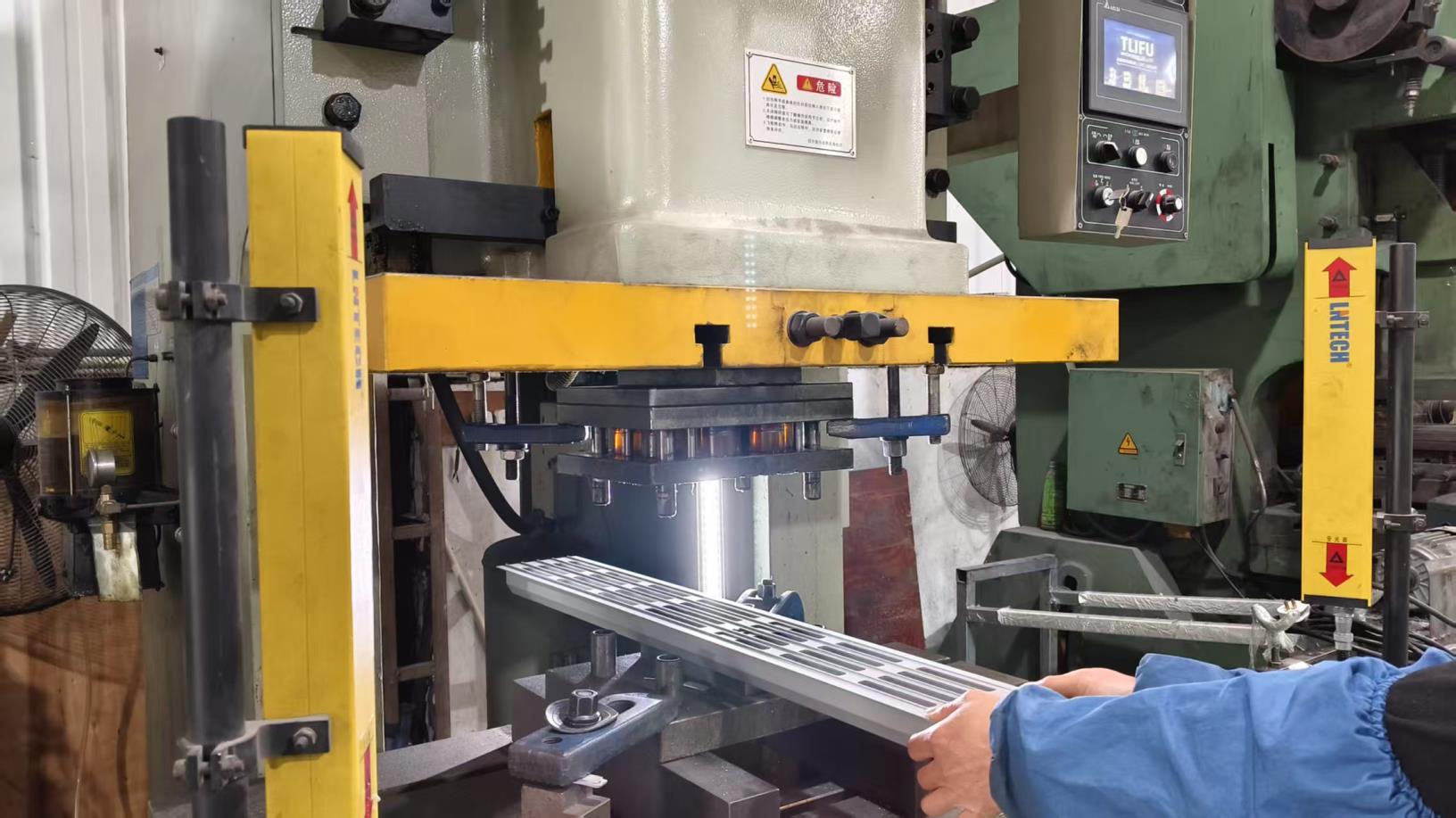
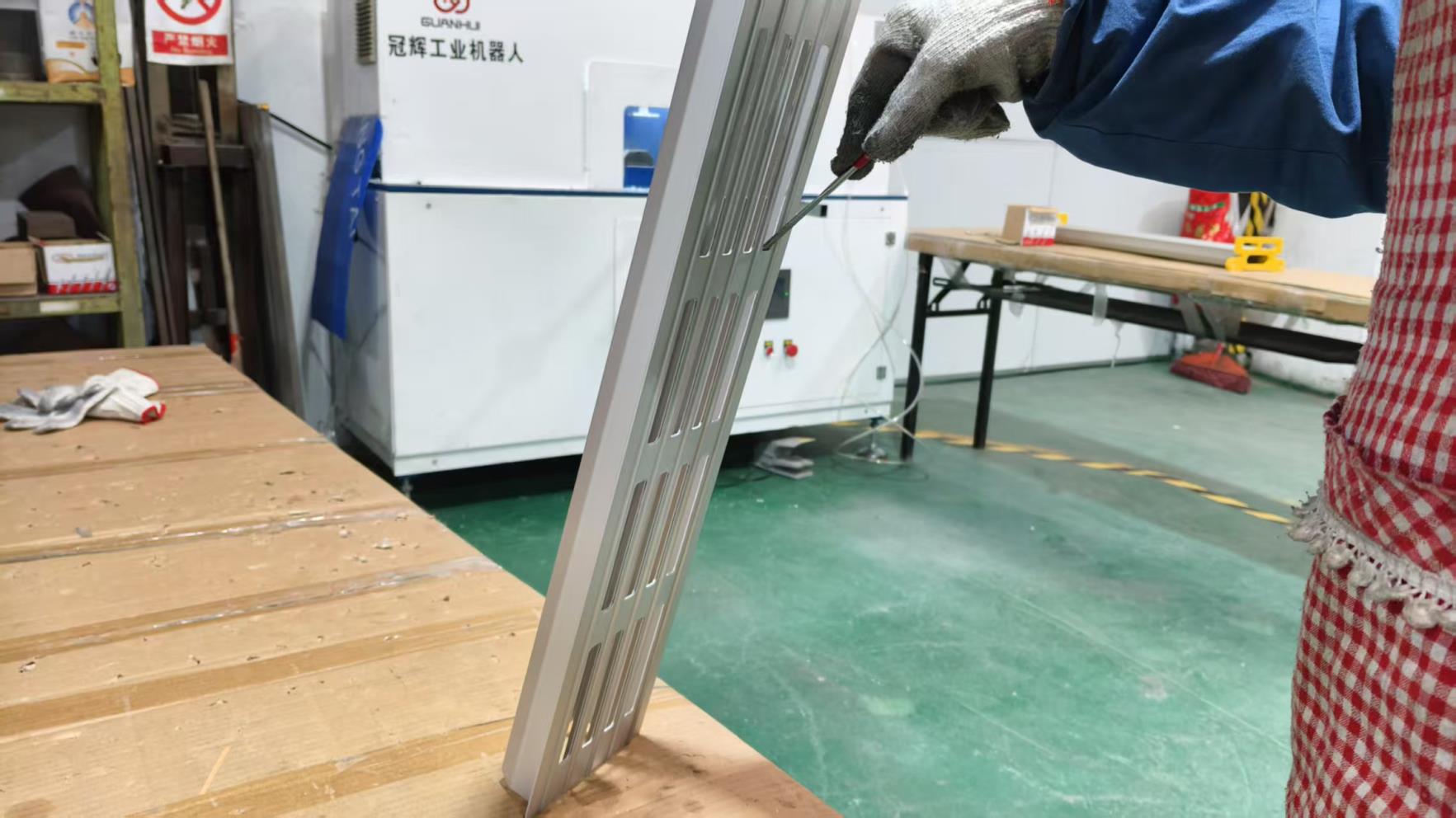
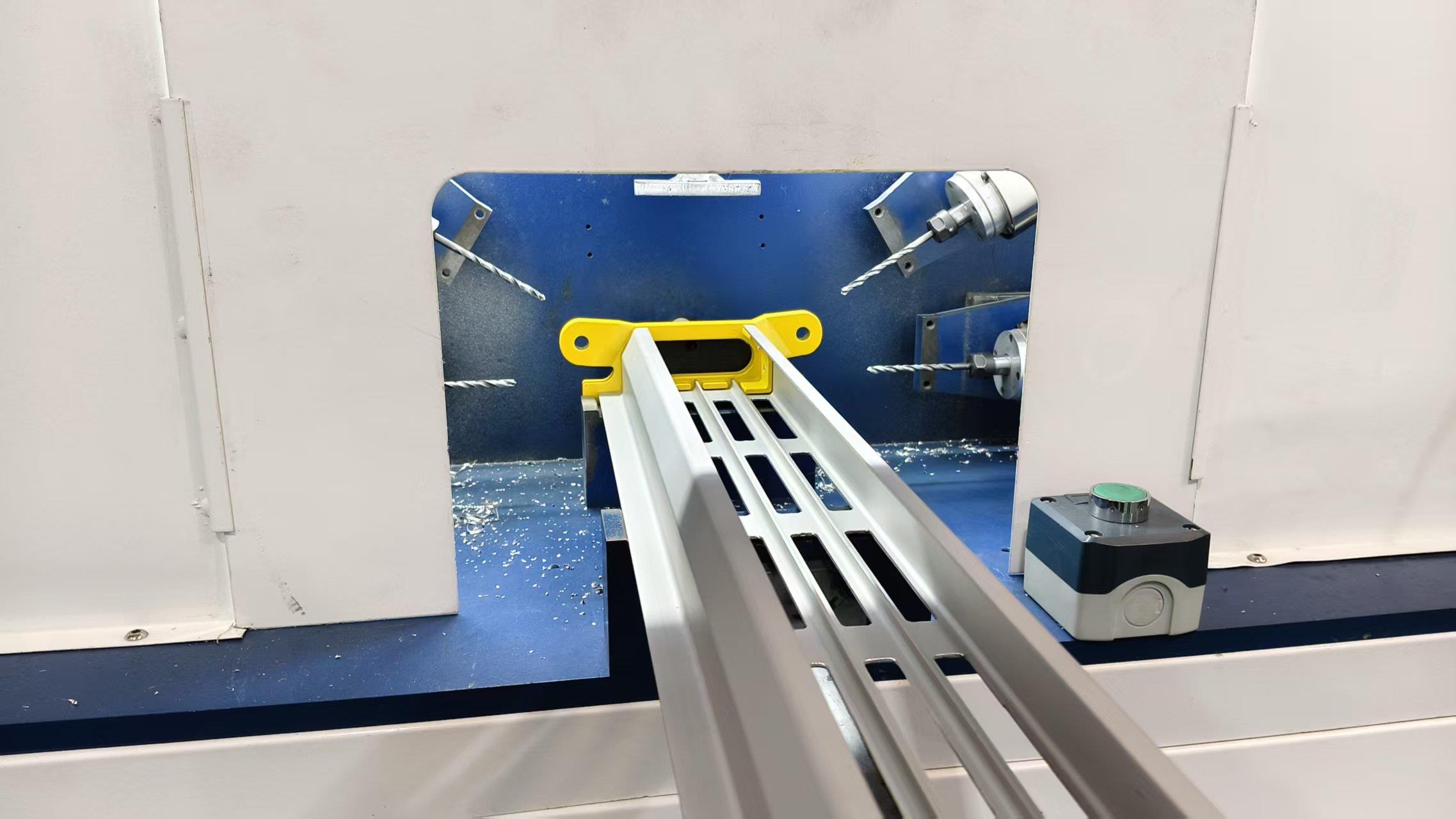
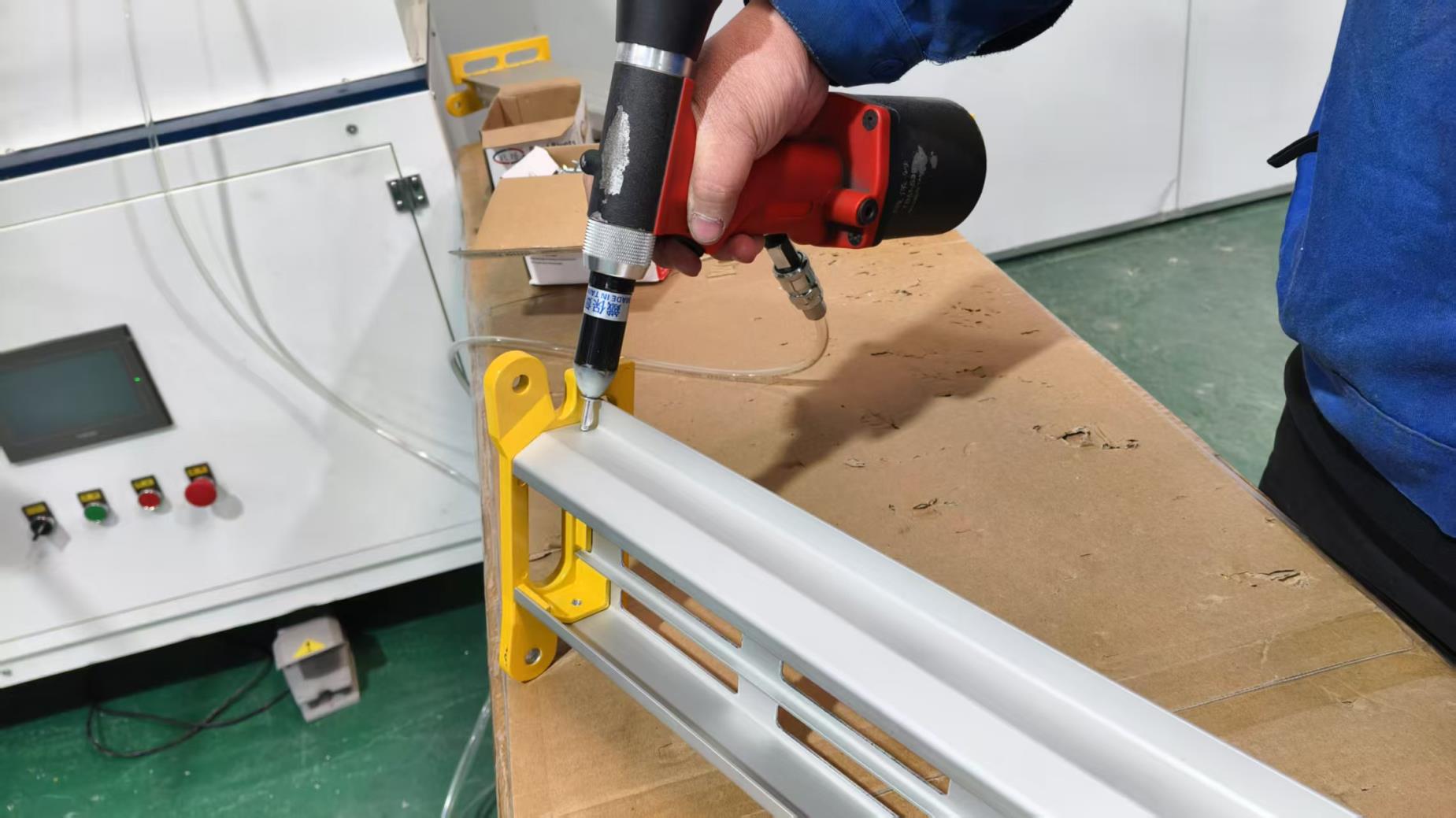
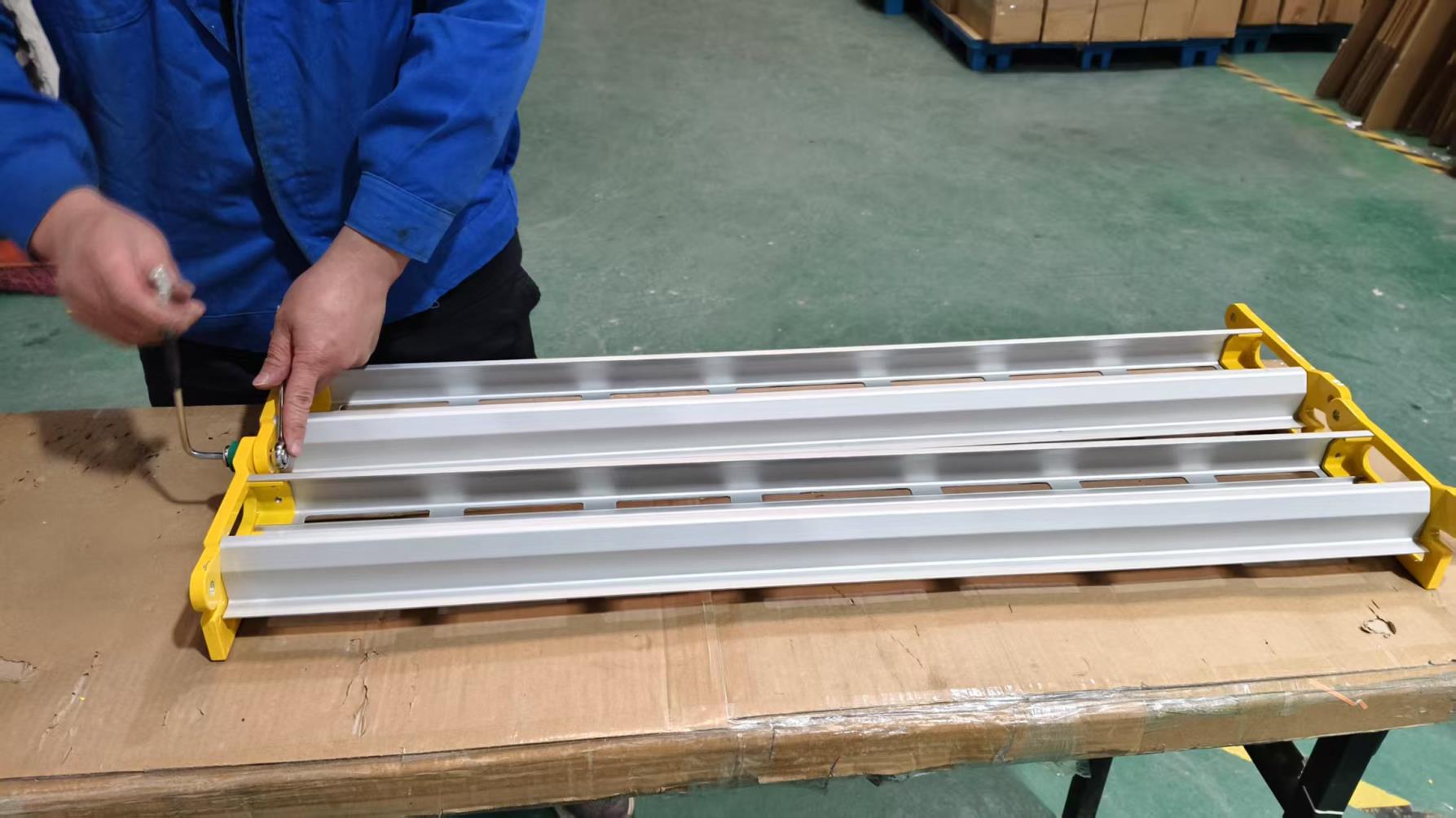
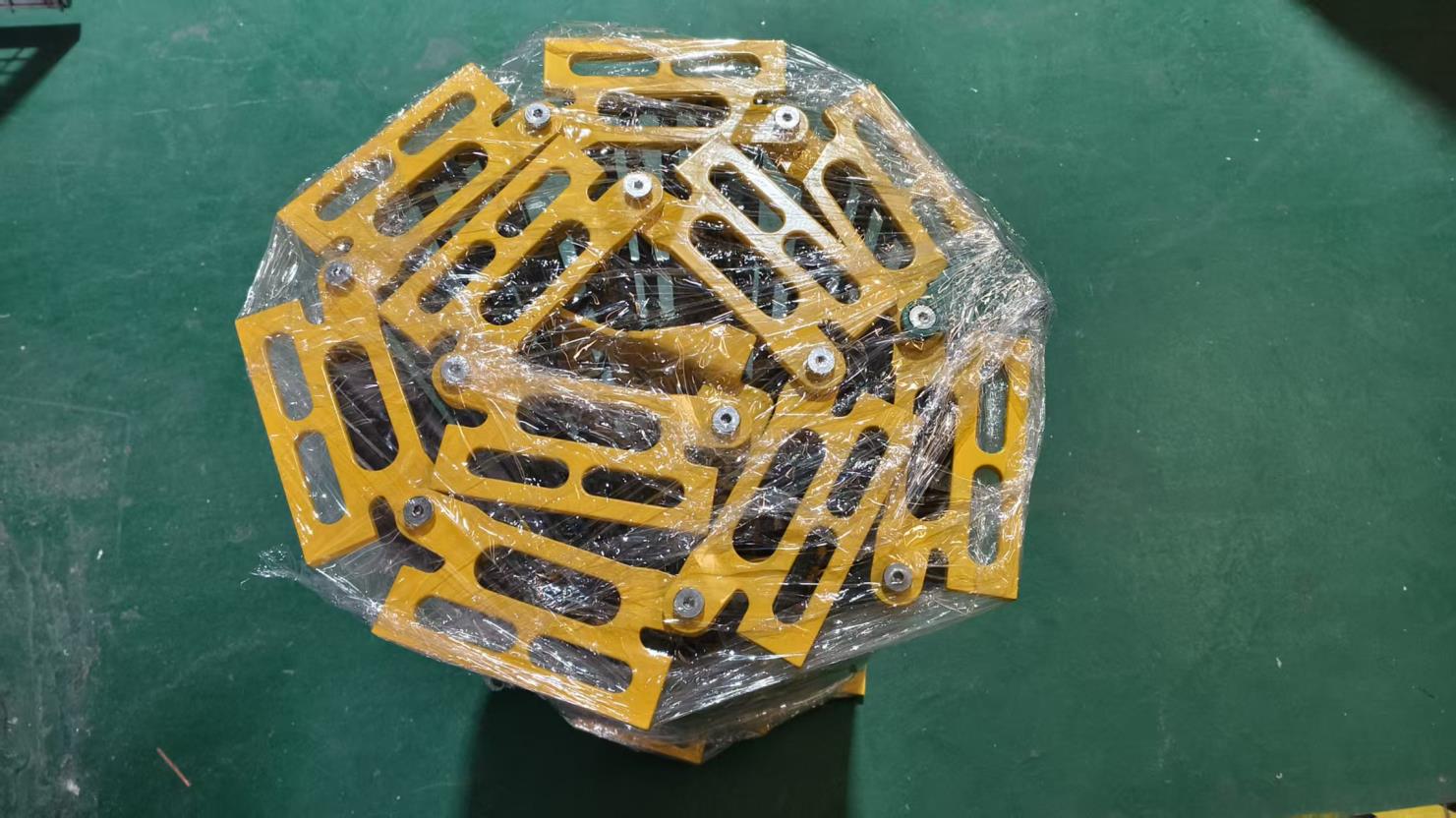
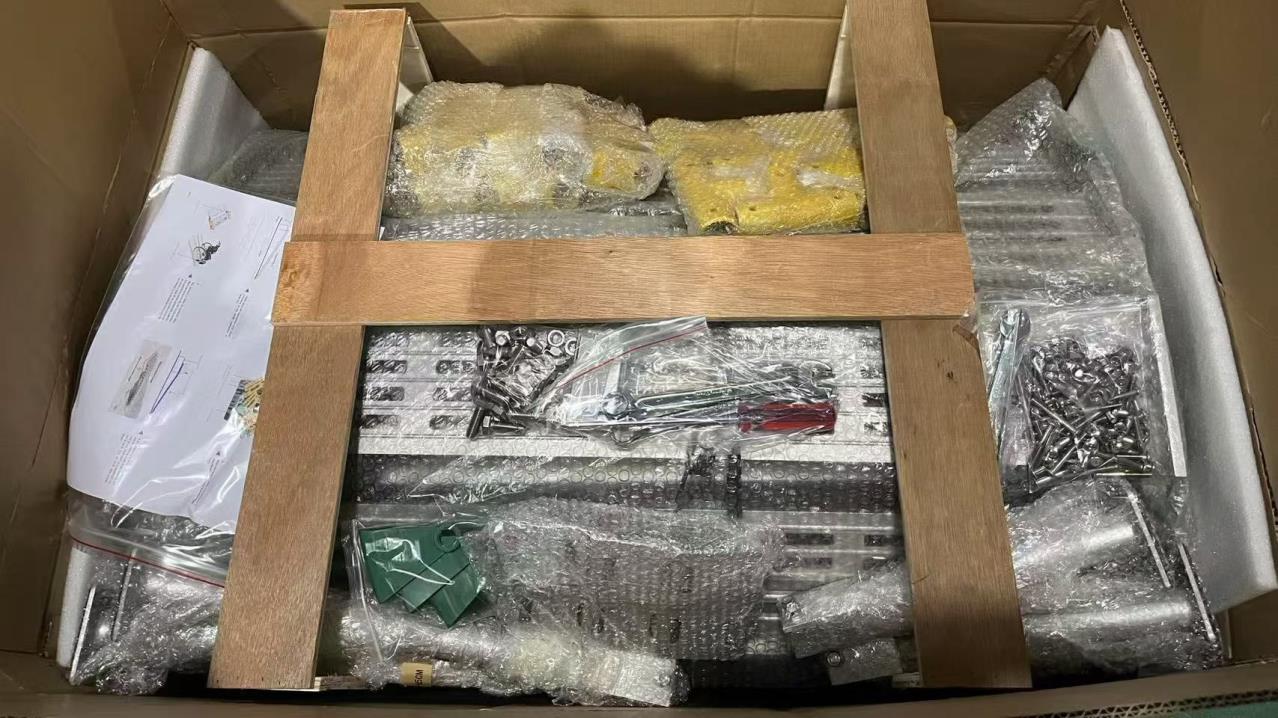
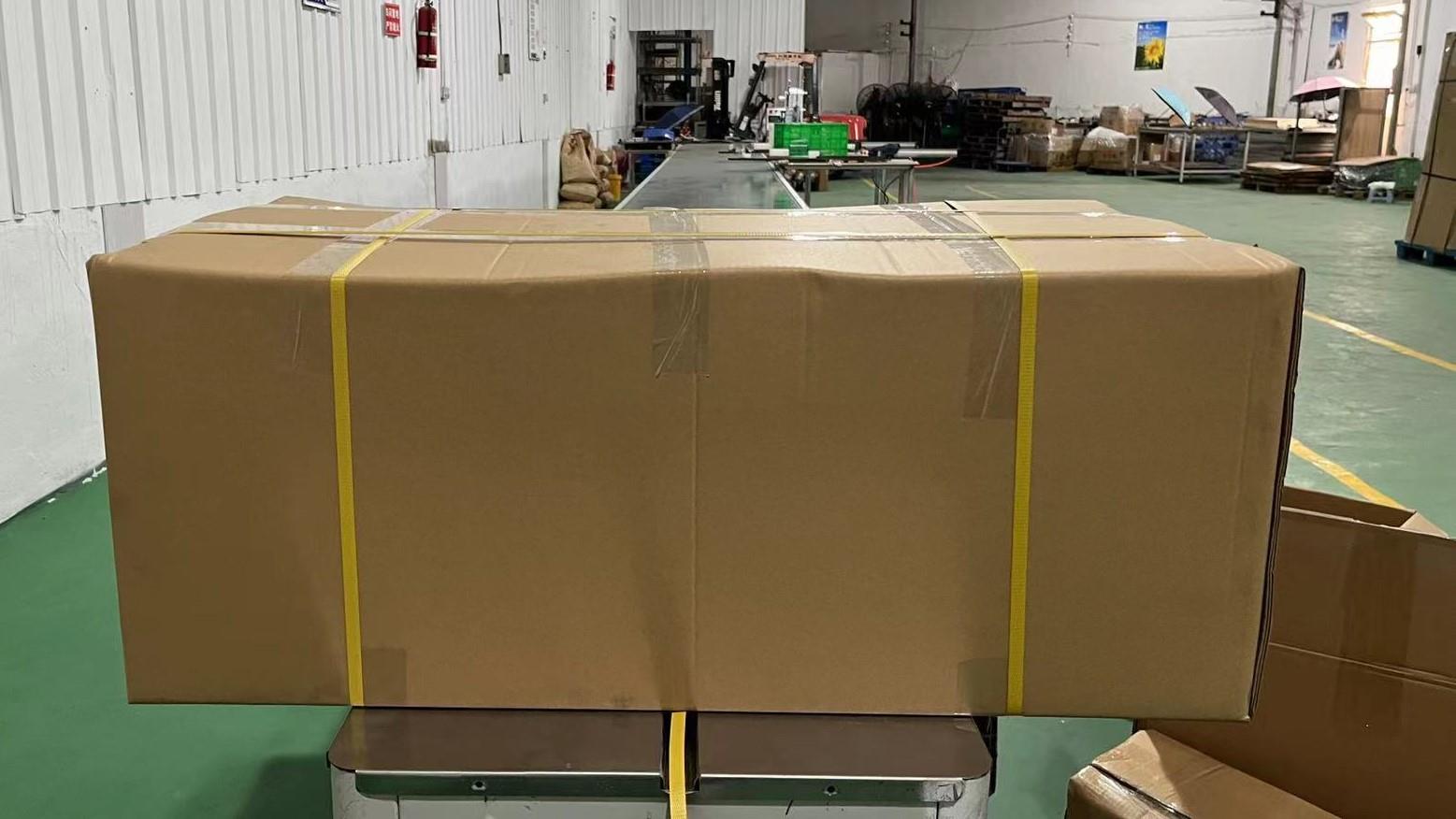
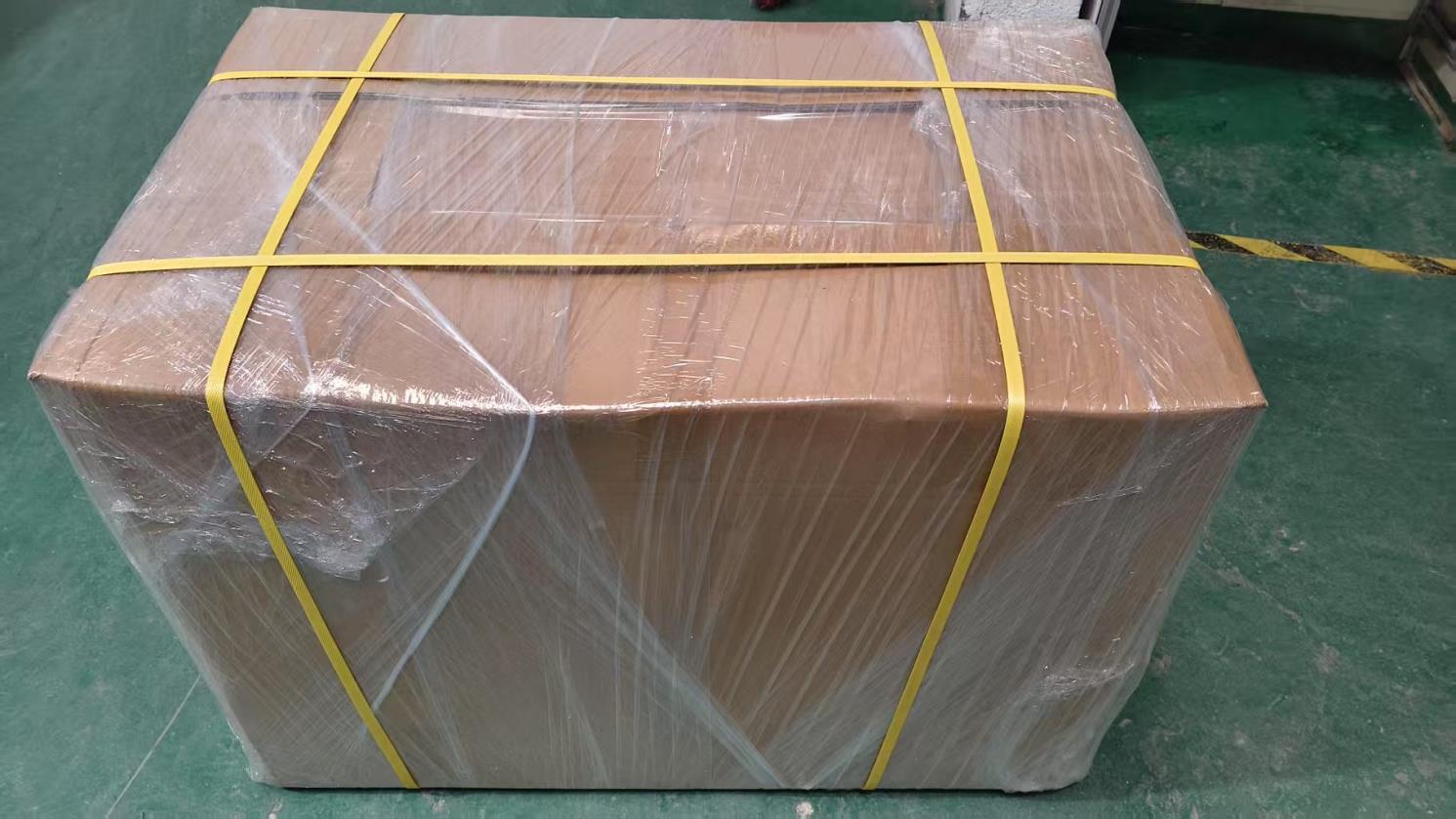
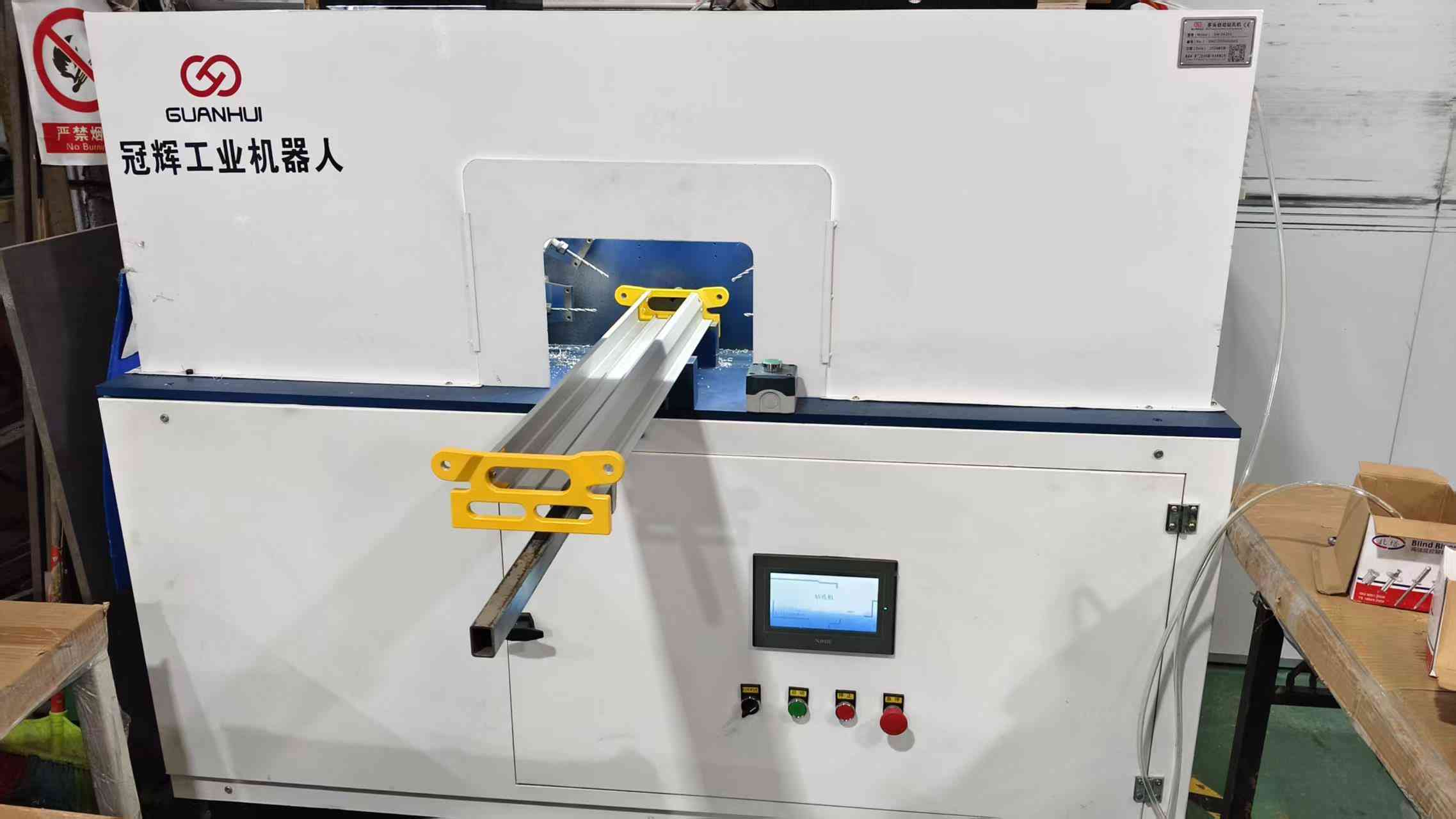
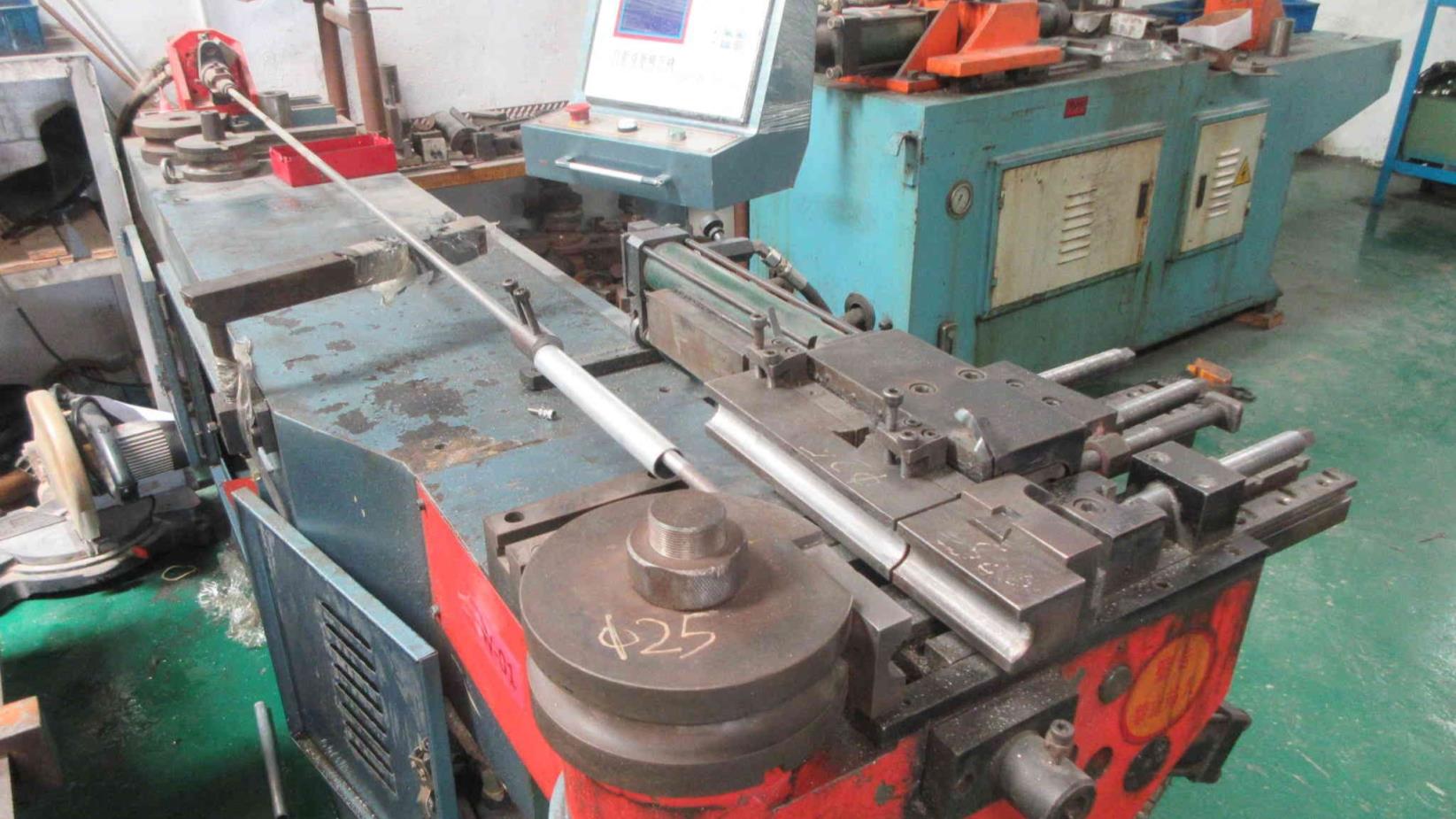
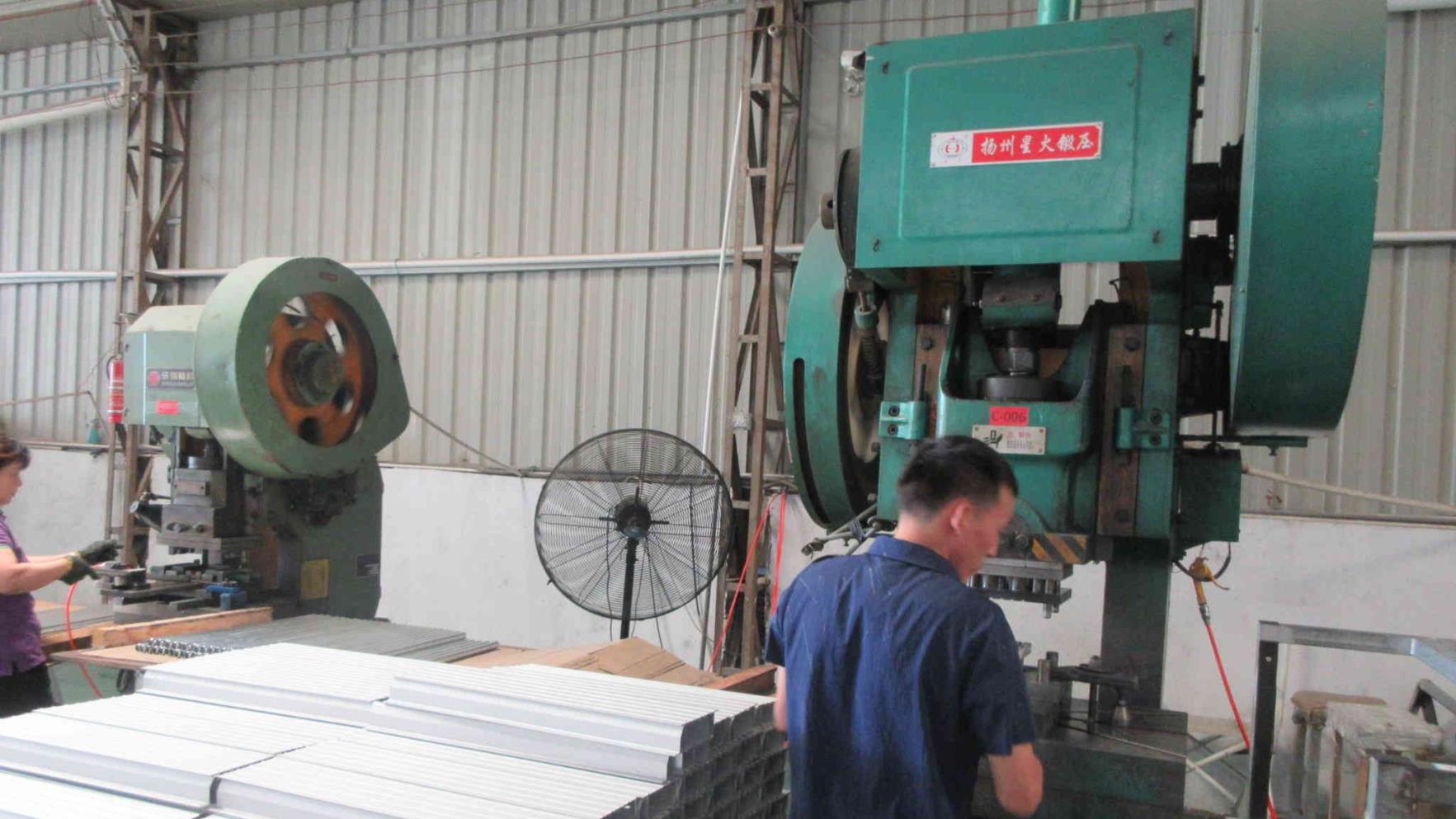
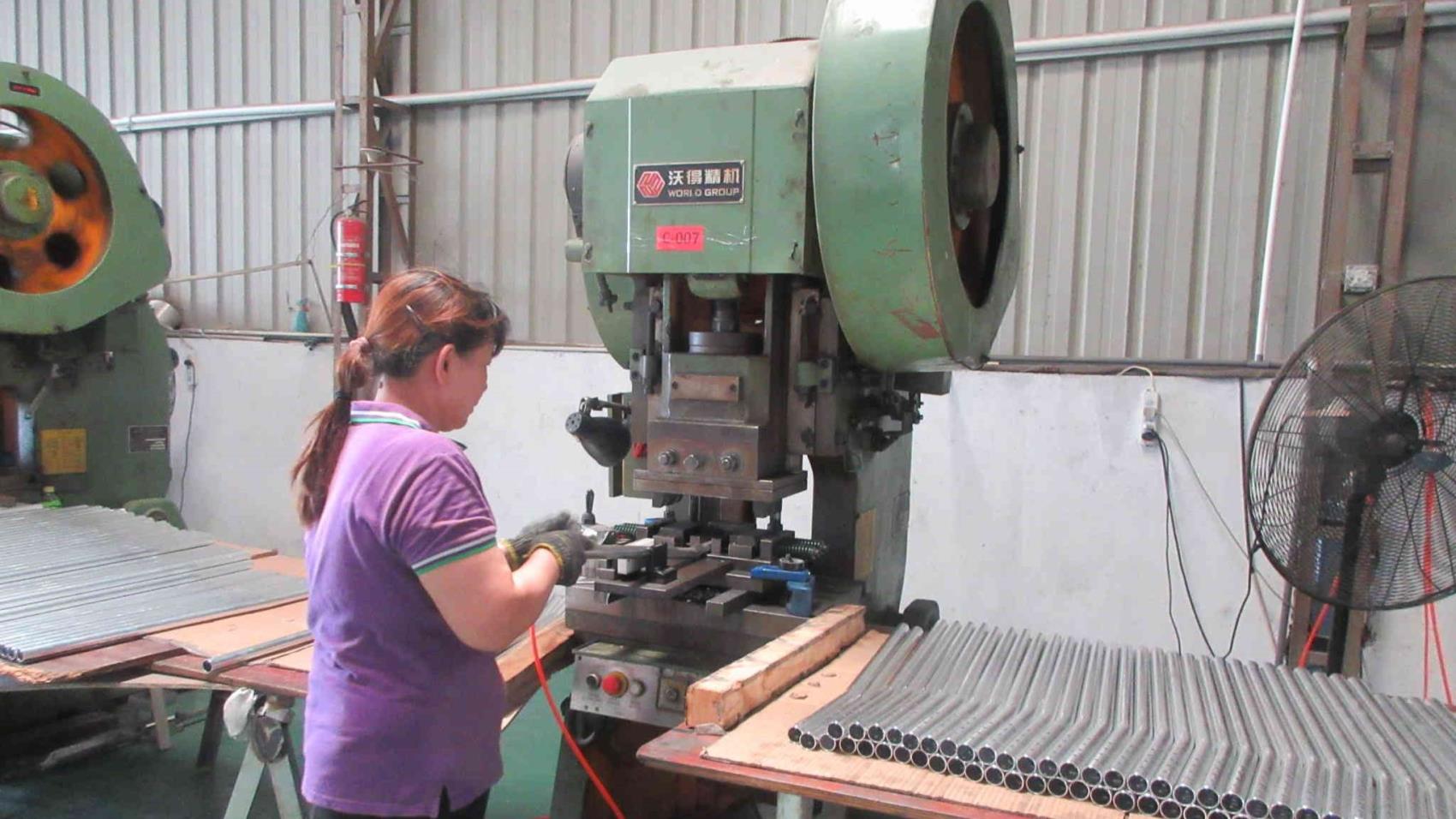
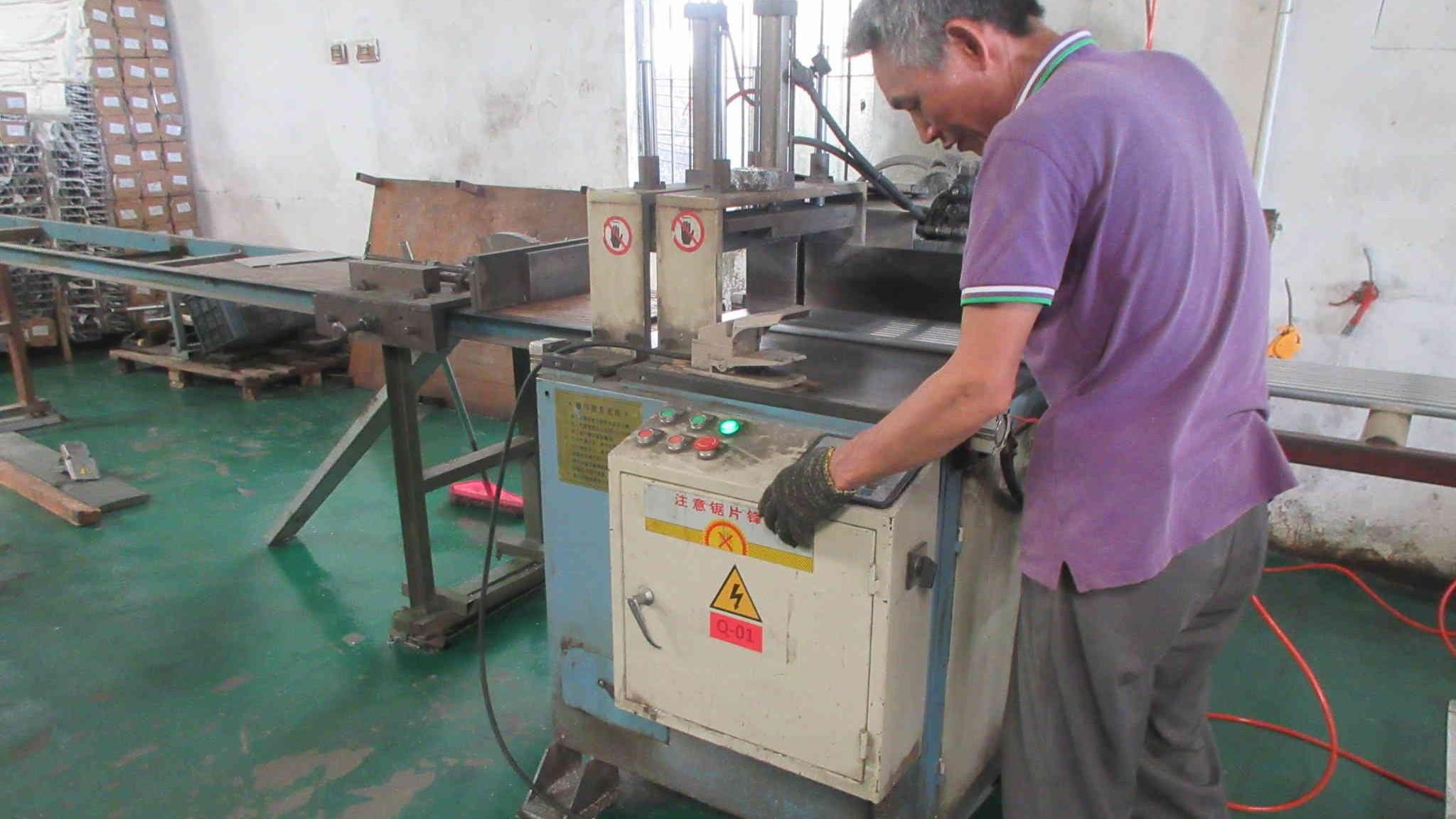
By integrating electronics assembly and cleanroom capabilities alongside our structural metal and plastic processing infrastructure, Aura Medical minimizes reliance on secondary assembly vendors. This structural consolidation ensures consistent build quality and reduces lead times for complex IoT devices.
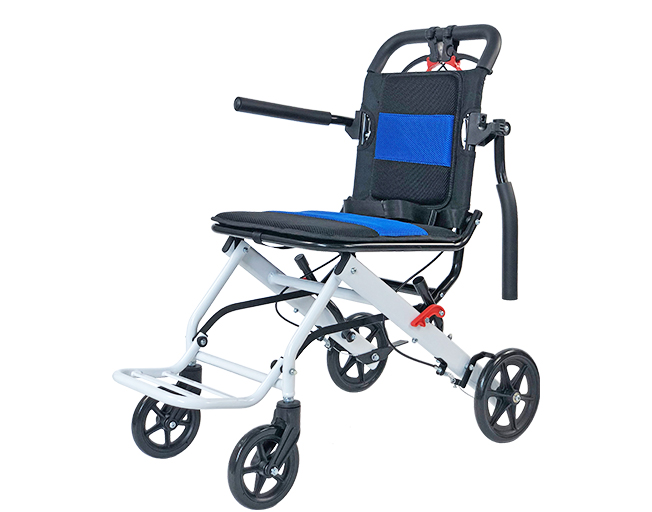
In addition to smart dispensers, our facility is equipped to manufacture precision aluminum structures and ergonomic support frames. Our active wheelchair frames demonstrate our structural welding, testing, and component assembly processes:
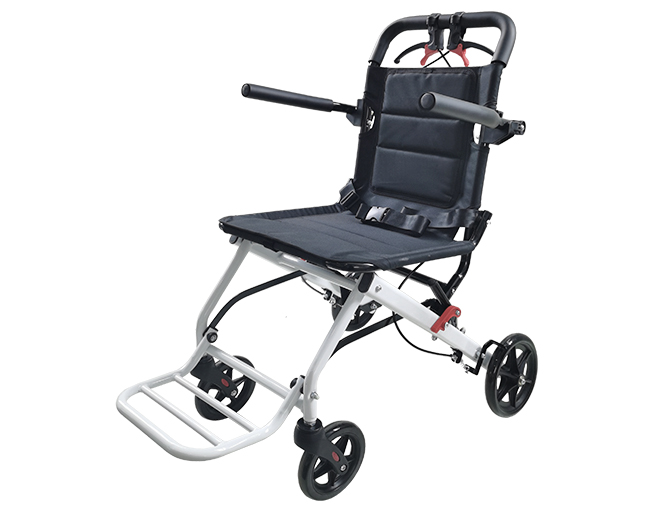
Medical devices are subject to strict regulatory oversight. At Aura Medical, we ensure our global clients are protected by aligning our design, verification, and logistics procedures with international regulations.
To ensure a smooth transition from initial concept to mass production, Aura Medical offers a structured engagement workflow for bulk sourcing and custom engineering projects:
We work with your team to define layout parameters, security requirements, and custom branding needs. A formal engineering proposal is generated within 7 business days.
Our facility builds functional SLA prototypes and custom PCB runs to test mechanical performance and connectivity. We conduct climate chamber aging tests and drop testing in-house.
Upon final prototype approval, tooling begins. Aura Medical schedules production runs, implements multi-stage quality control checks, and manages international logistics to your hub.
Find answers to common technical, manufacturing, and regulatory questions from enterprise buyers.
Yes. We provide complete firmware and cloud communication protocols. We support REST APIs, MQTT communication pipelines, and custom payload configurations. This enables direct integration with your enterprise EHR, telehealth portal, or custom mobile application.
Our devices feature local memory storage. The internal scheduler continues to run locally and dispenses pills according to the schedule, even when offline. Alert logs are buffered locally and synchronized with the cloud once network connectivity is restored. Additionally, rechargeable or alkaline battery backup power keeps the device active for up to 30 days during power outages.
Absolutely. All pill-contact components, including carousels, chambers, and dispensing drawers, are made from FDA food-grade, BPA-free ABS and PC polymers. We also offer medical-grade antimicrobial additives for high-infection-risk settings.
Initial design verification and functional prototype delivery typically take 15 to 20 days. Tooling development takes 35 to 45 days, followed by trial runs. Mass production order delivery times depend on component lead times and range from 30 to 45 days after design sign-off.
Explore our secondary tier of durable equipment, hearing systems, daily living aids, and emergency response items.
 Aura Medical